I typically don't yap about much, unless the topic is about something I have approximate knowledge about. It's only natural then, that I make a blog, so that I spare the people on my Instagram feed from unreadable blocks of text.
What better than to make my first blog post about lighting in cosplay photography?
I have always sought to broaden my command on light, and how it can be utilized in crafting a narrative - The Narrative - that I strive to tell through my photographs. And, I want to give back to the cosplay community as well with the knowledge I've accumulated throughout the years. None of this knowledge should be gate-kept in any way, nor should it be considered esoteric knowledge that only the most elite of cosplayers and photographers can access.
As someone who had their starts in cosplay photography in the mid-late 2010s, I most definitely felt that pull of "gear acquisition syndrome" that a good amount of photographers, both veteran and new, fall into. (And I'm not going to lie to you, I'm still not immune to GAS.) Boasts about having the most expensive glass and the latest full-frame cameras were a dime a dozen on the common cosplay photographer haunts; I recall vividly when an at-the-time well-known photographer bragged, quite loudly on Facebook, that he had Zeiss lenses as if that's what made his photographs so elevated. Thus, there seemed to be an invisible hierarchy that had been formed based on the gear you had: If you shot on a kit lens, you were invalid. If you didn't have soft boxes and gelled speedlites, your photos were just not as "worthy." At least, that's how it felt to me, who only had a small Canon Rebel SL1, a cheap third-party 50 1.8 I think I got for $50 from Amazon, and the kit lenses that came with the set.
So, because I wanted to catch up with those cosplay photographers, who I at the time looked up to but also couldn't afford, I decided to spend my savings on two cheap (!) Neewer speedlites, one of those cheap fold-out soft boxes from Godox, a cheap remote trigger, and a cheap transmitter. Without knowing a single thing about the how and the what to do, I did what I often fall back into most - fuck around and found out.
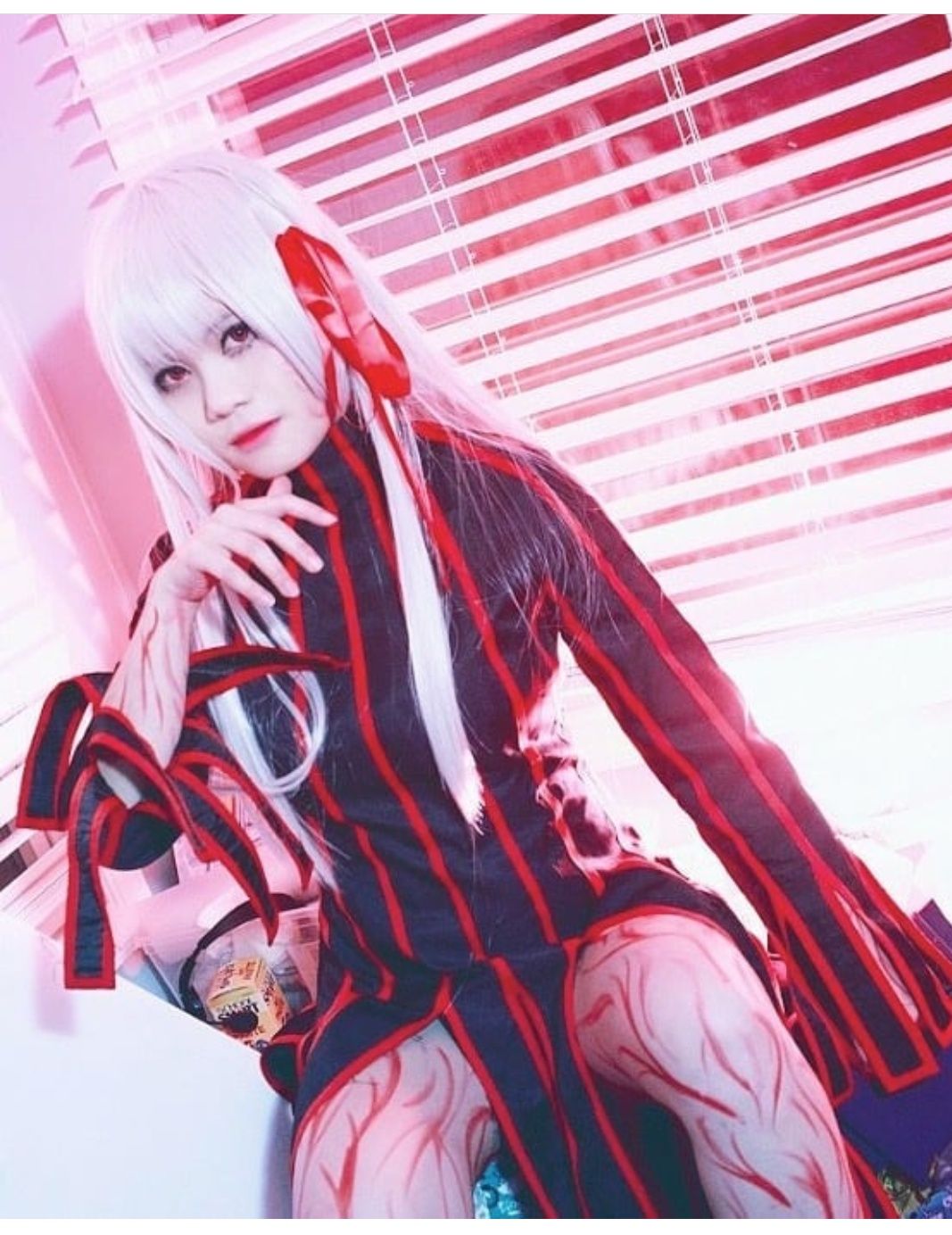
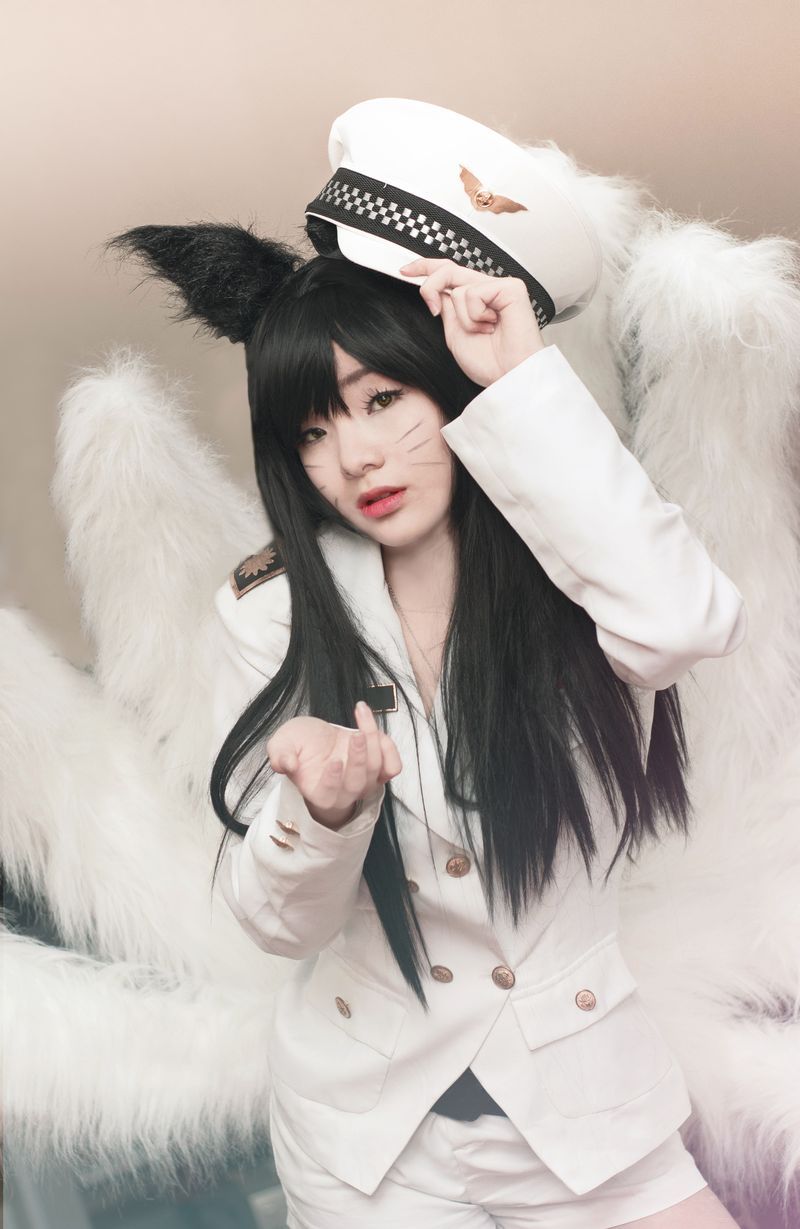
Some of my attempts from 2016 - 2017. These were all lit with a softbox, and gelled speedlights. I'd often practice on some high school friends, or myself - honestly, I feel like you can tell the era these photos came from / the era I was attempting to emulate by just looking at them. This is in spite of only approximately knowing what the "pros" did, through observing them briefly at work during conventions.
For the time, I did believe that they turned out "ok" for what I could do. After all, what I saw at the time was results that turned out somewhat similar, if not 1:1, to the pro cosplay photographers I looked up to. But of course, I could not compete entirely, because unlike them I really did not know what I was doing nor did I have any go-to "recipes" for lighting setups. I was no pro. I just clicked buttons and post-processed in Photoshop, hoping for the best. And so, because I didn't know what I was doing, and didn't feel like (or had the time, or both) to keep building my confidence, I stopped trying to learn how to use speedlites and strobes for a while. Instead, I continued to take pictures of cosplayers in natural or ambient light, praying that I would be able to compensate for the lack of light with a fast aperture, a steady hand, and post-processing. Raising ISO beyond 800 was not an option because I was still running the Rebel SL1. If I did need a light after exhausting all options, I would ask people to help illuminate the face with multiple weak cellphone lights. It worked in a pinch, but it certainly was not the punchy light that I would have preferred.
Enter 2022. After some months of hiatus, I re-entered cosplay photography with a Canon M50 and the Sigma Contemporary Trio, the latter which I still highly recommend for those who are on a budget but need fast, but quality glass. I want to say that 2022 was the year that I started noticing cosplay photographers move away from strobes and speedlites towards continuous LED lights, typically used for cinematography. Of course, strobes and speedlites were still king - there was still this overwhelming perception that strobe usage was the mark of a consummate professional cosplay photographer. And yet - here I was, seeing photographers I admired (see: haptu) use continuous LEDs to light their shoots.
I jumped on the train immediately. My first continuous light purchases were from Walmart. Walmart sold these panels and LED wand lights, probably more meant for the novice vlogger or budding streamer. But for the purposes of shooting, they most certainly worked.
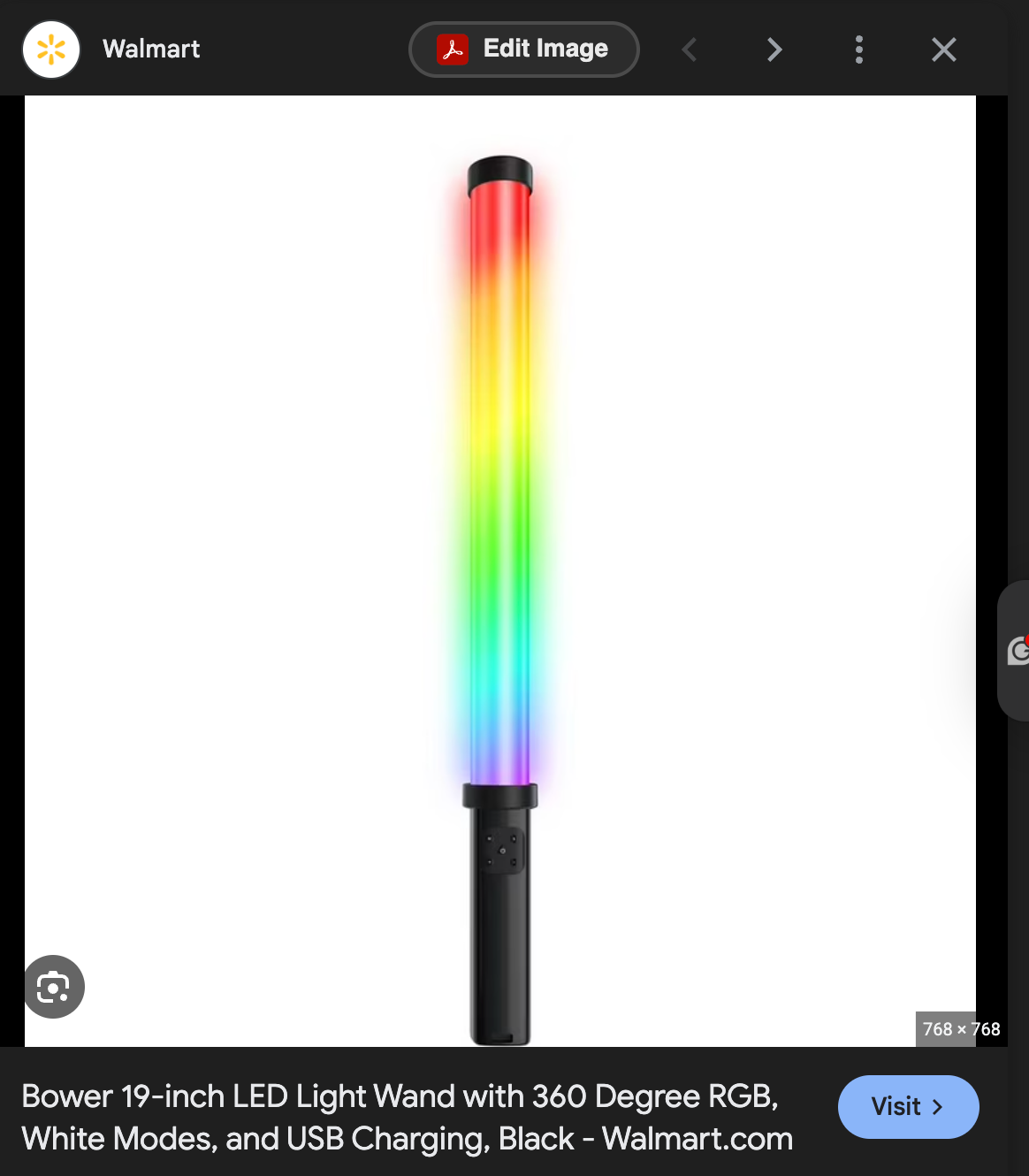
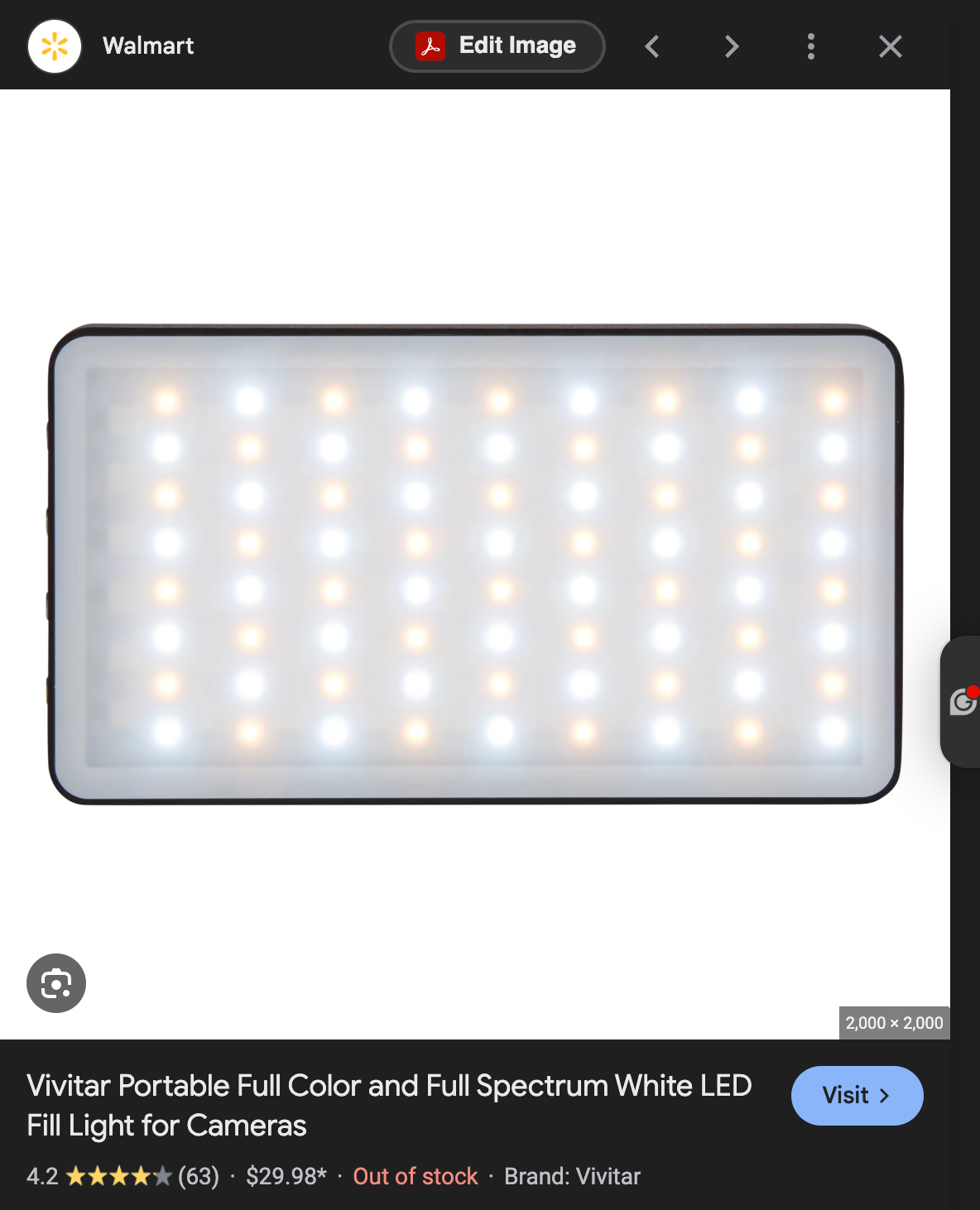
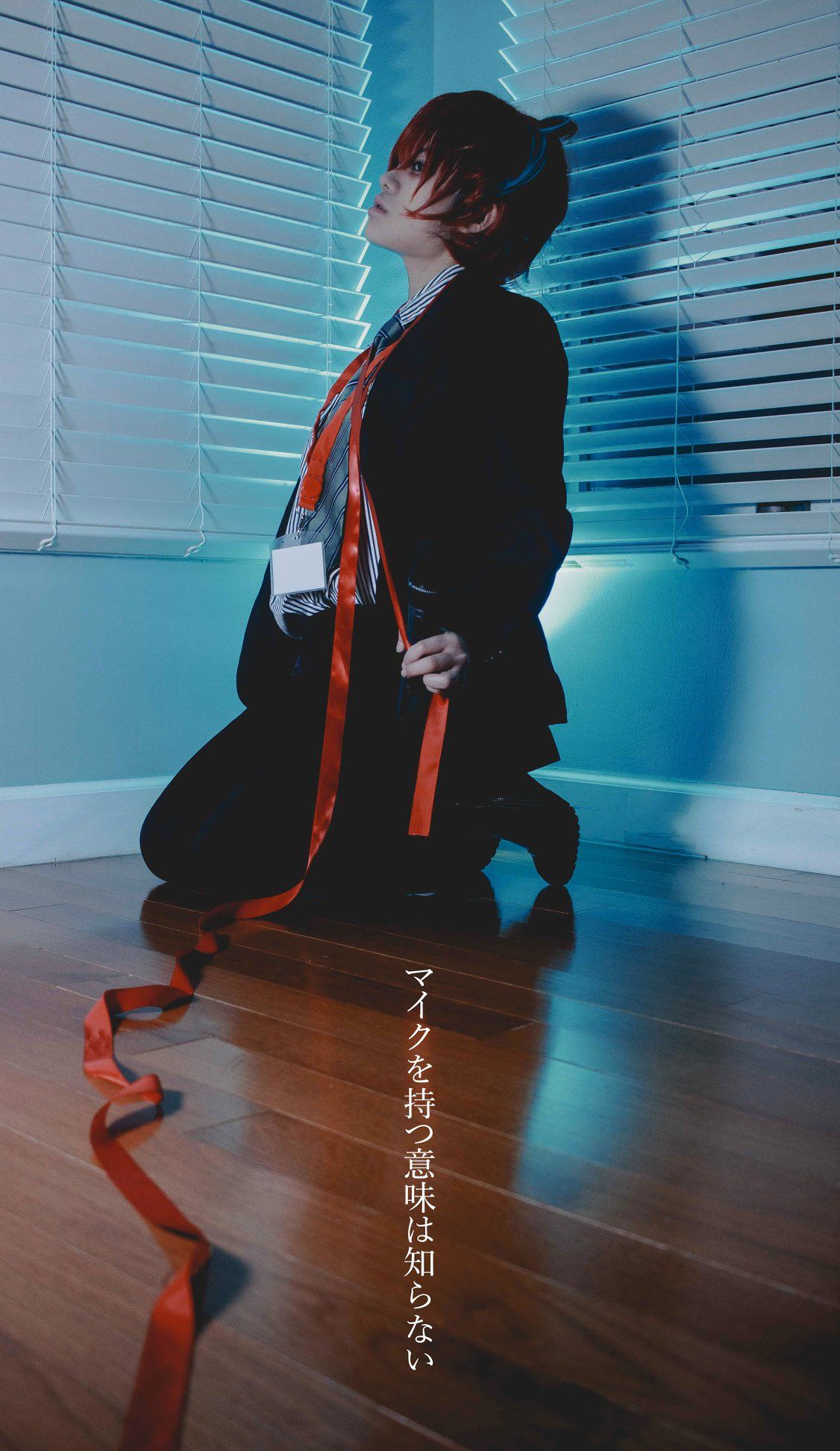
The aforementioned cheap Walmart lights, and one of the first photographs I took with just these two panels, at Otakon 2022. I believe that the wand was used for the rim light on the left, and the rectangle light was fill for the front. The ambience of the Marriot Marquis alcove also helped with the overall appearance.
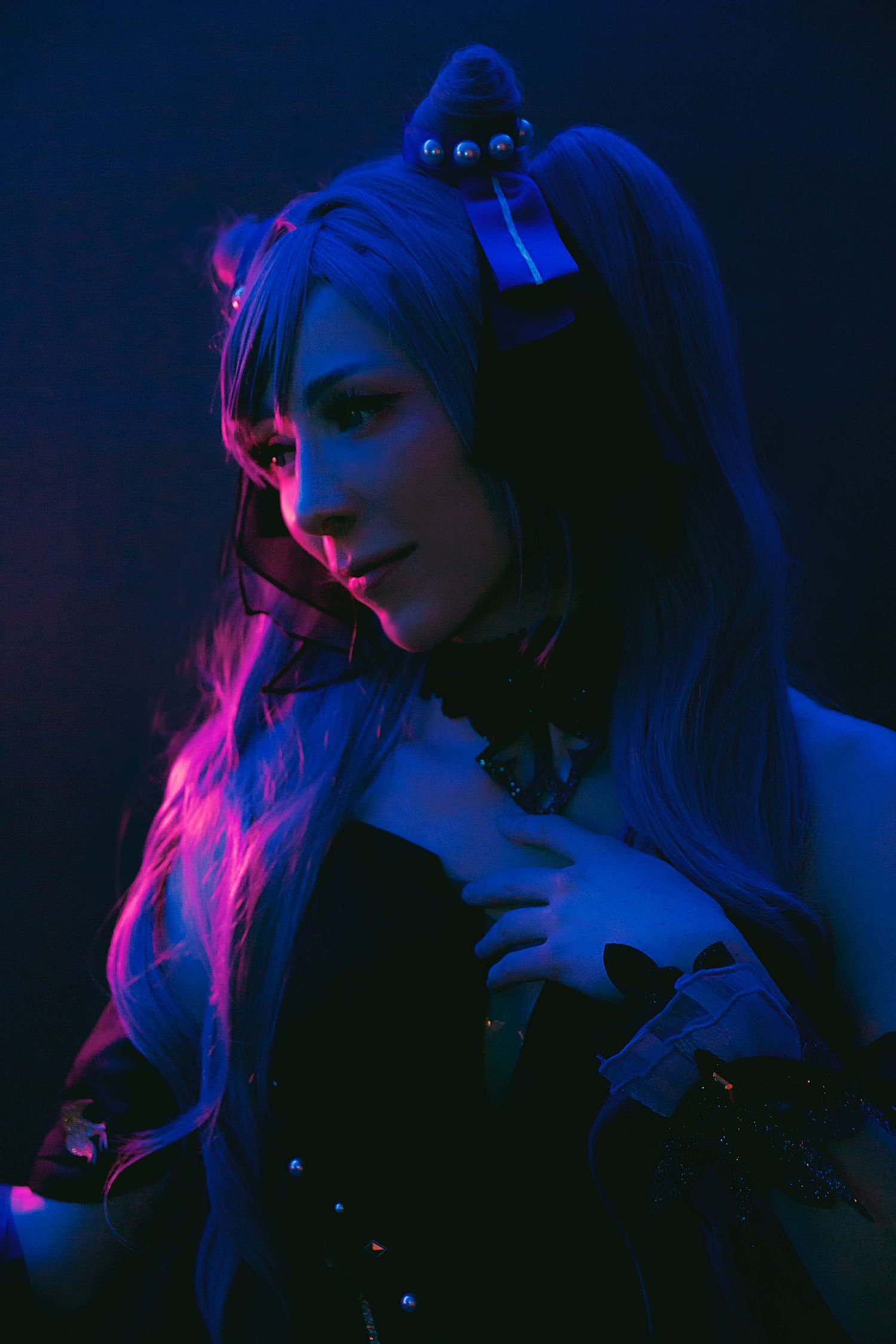
Ever since Otakon 2022, continuous LED lights have become a mainstay in my arsenal of gear that I carry to cons, and has completely replaced good glass as the main cause for my GAS nowadays.
But are continuous lights "pro?" I'd say they are nowadays, at least in the cosplay space - plenty of my colleagues, some who do work professionally as portrait or wedding photographers, utilize them in their cosplay shoots consistently. My friend Athel, for instance. Don comes to mind as well. Even in situations outside of cosplay photography, they're used by pros. For some rare gigs that I've had as a second shooter at weddings, we've utilized continuous lights in tandem with strobes. Strobe knowledge seems to still be a must to be considered "pro," but the photographers of today seem more open to the usage of continuous light for their work. Well-known fashion photographer Lindsay Adler also has several Youtube videos on continuous light shooting.
Why does it matter though if they're "pro" or not though?
The single, greatest aspect of continuous light tools is that they're highly accessible. Not only to use and to learn, but also to purchase. I liken them to the student-grade art materials we were forced to purchase back in my art school days - they might not be as professional, but so as long as the results look good, then the question of whether or not these tools are professional should be thrown out of the window.
Sure, one can argue that purchasing a speedlite and strobe is not that expensive, and thus the point of accessibility is invalid. I counter, though, that there is a steep learning curve to strobes. And for those individuals who feel the impulse to experiment and create, and create now, anything that removes a barrier to or alleviates the pain of creation is a win for those individuals, in my opinion.
Continuous lights have their draw-backs, of course. They're cumbersome to carry around, their batteries don't last as long as a strobe (lest you carry a battery pack or a dedicated power cord,) and of course, you can't always get that "freeze-frame" motion shot of a cape or a hair-flip that can be achieved with a strobe. The pros, however, outweigh the cons heavily. When you're caught in the the fast-paced working environment of cosplay photography at cons, continuous lights are a god-send. Once you know what you want, and you are familiar with the workings of your lights, you can just plug, play, and direct as needed. And if you don't know what you want, there's a built in safety net in being able to visualize what your picture might look like with whatever set-up you have before you take it.
The progression of innovation of continuous lights continues to amaze me. Nowadays there are a myriad of different styles of continuous lights for different needs and at different price points that anyone, whether a novice or a more seasoned con photographer, can find a light that will suit their body of work best. Some are powerful enough to light a room twice over as well, which honestly? Just amazing.
I'd like to dedicate the rest of this blog entry to briefly review some of the continuous lights I've used, with some usage samples. I'm hoping this can help someone figure out what they might want to use or try next, without the tug of GAS on their wallet.
For the record: I am not sponsored at all for any of this! There is no bias here. (Or maybe some bias...)
Nanlite Pavotubes (T8-7X, 15C)
These are the first dedicated continuous lights I ever purchased. These first came to my attention when I saw some cosplay photographers use them, especially those around the NYC / West Coast. They're literally tubes of light - they're meant to be held by someone, like an assistant, or a light stand.. The 15Cs (and their siblings, the 30Cs) come with an additional clear dongle that can be used to mount them horizontally or vertically with a light stand. The T8-7X are the budget versions, that come only in set brightnesses and colors. The 15Cs, 30Cs, and the smaller bar version (which I can't remember the name of from the top of my head) are the more "pro" versions.
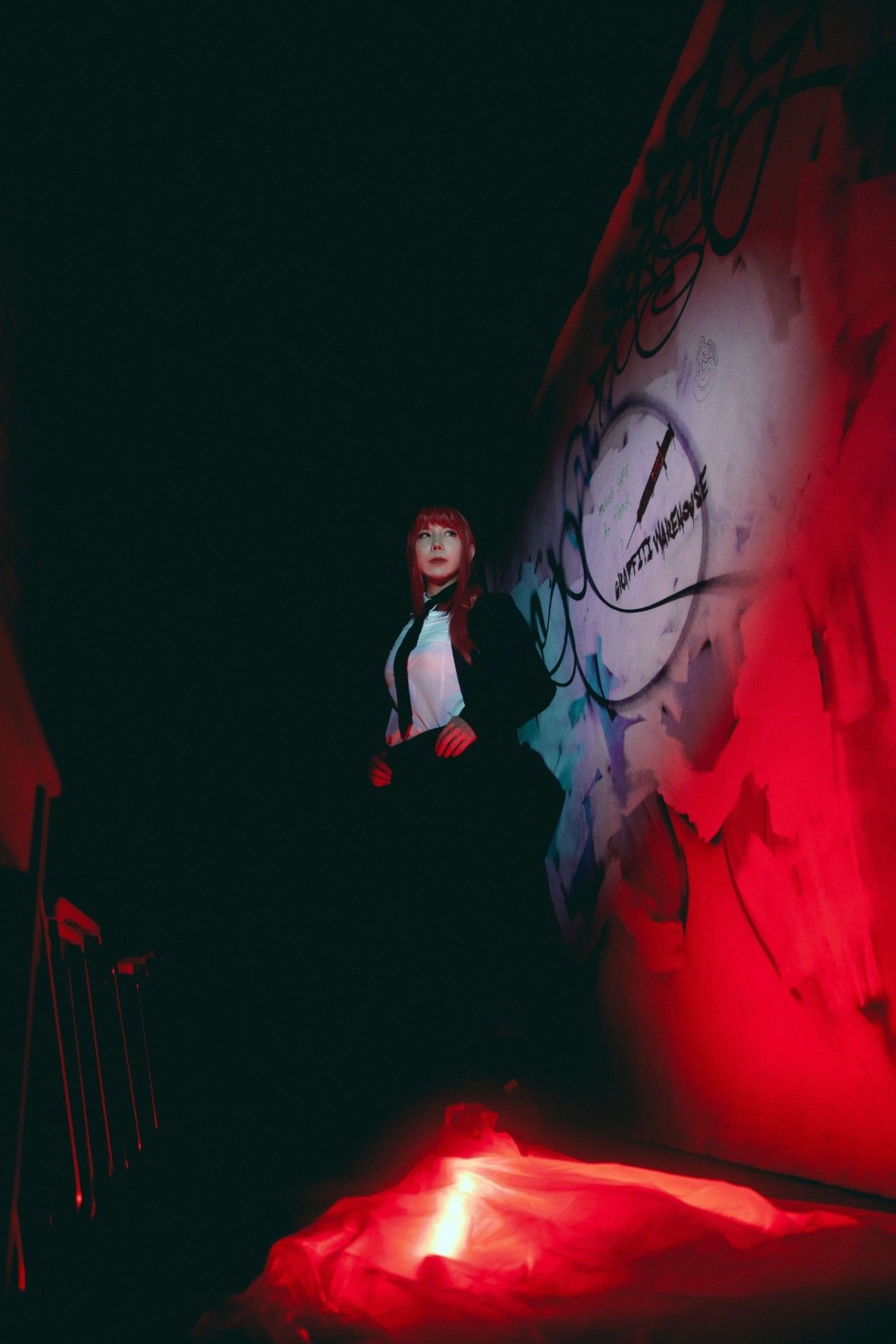
My first real usage of the T8-7Xs was for this self-shoot (right). I'd say they were only bright enough to serve as hair-lights, fills; anything but a key light. The only way that I was able to have some light to illuminate my face was by using a generic ring light from Walmart. This certainly was also the case when it came to shooting my friend's Makima in a warehouse (bottom left,) where I had used the T8-7Xs as fill lights, hair lights, and accents. To get any other sort of light on her I needed to bring in a Godox video light (not discussed further because it's cumbersome, which defeats the purpose of this blog LOL.) The same went for a Yor Forger shoot I did at Katsu 2023 (bottom middle, bottom right) where I had to at times bring in a third Neewer light to expose the image properly.
Nanlite Pavotubes (T8-7X, 15C)
These are the first dedicated continuous lights I ever purchased. These first came to my attention when I saw some cosplay photographers use them, especially those around the NYC / West Coast. They're literally tubes of light - they're meant to be held by someone, like an assistant, or a light stand.. The 15Cs (and their siblings, the 30Cs) come with an additional clear dongle that can be used to mount them horizontally or vertically with a light stand. The T8-7X are the budget versions, that come only in set brightnesses and colors. The 15Cs, 30Cs, and the smaller bar version (which I can't remember the name of from the top of my head) are the more "pro" versions.
My first real usage of the T8-7Xs was for this self-shoot (right). I'd say they were only bright enough to serve as hair-lights, fills; anything but a key light. The only way that I was able to have some light to illuminate my face was by using a generic ring light from Walmart. This certainly was also the case when it came to shooting my friend's Makima in a warehouse (bottom left,) where I had used the T8-7Xs as fill lights, hair lights, and accents. To get any other sort of light on her I needed to bring in a Godox video light (not discussed further because it's cumbersome, which defeats the purpose of this blog LOL.) The same went for a Yor Forger shoot I did at Katsu 2023 (bottom middle, bottom right) where I had to at times bring in a third Neewer light to expose the image properly.
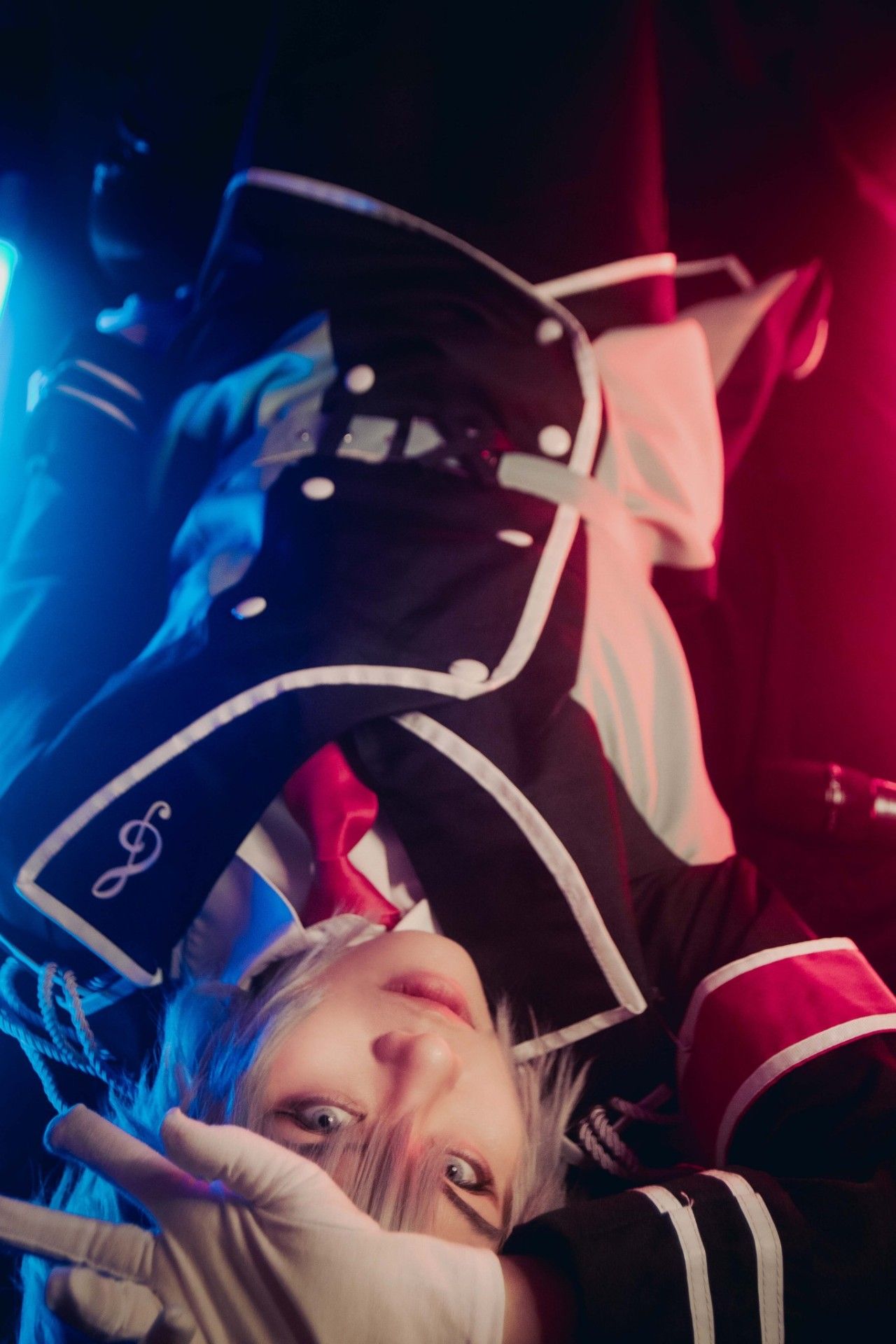
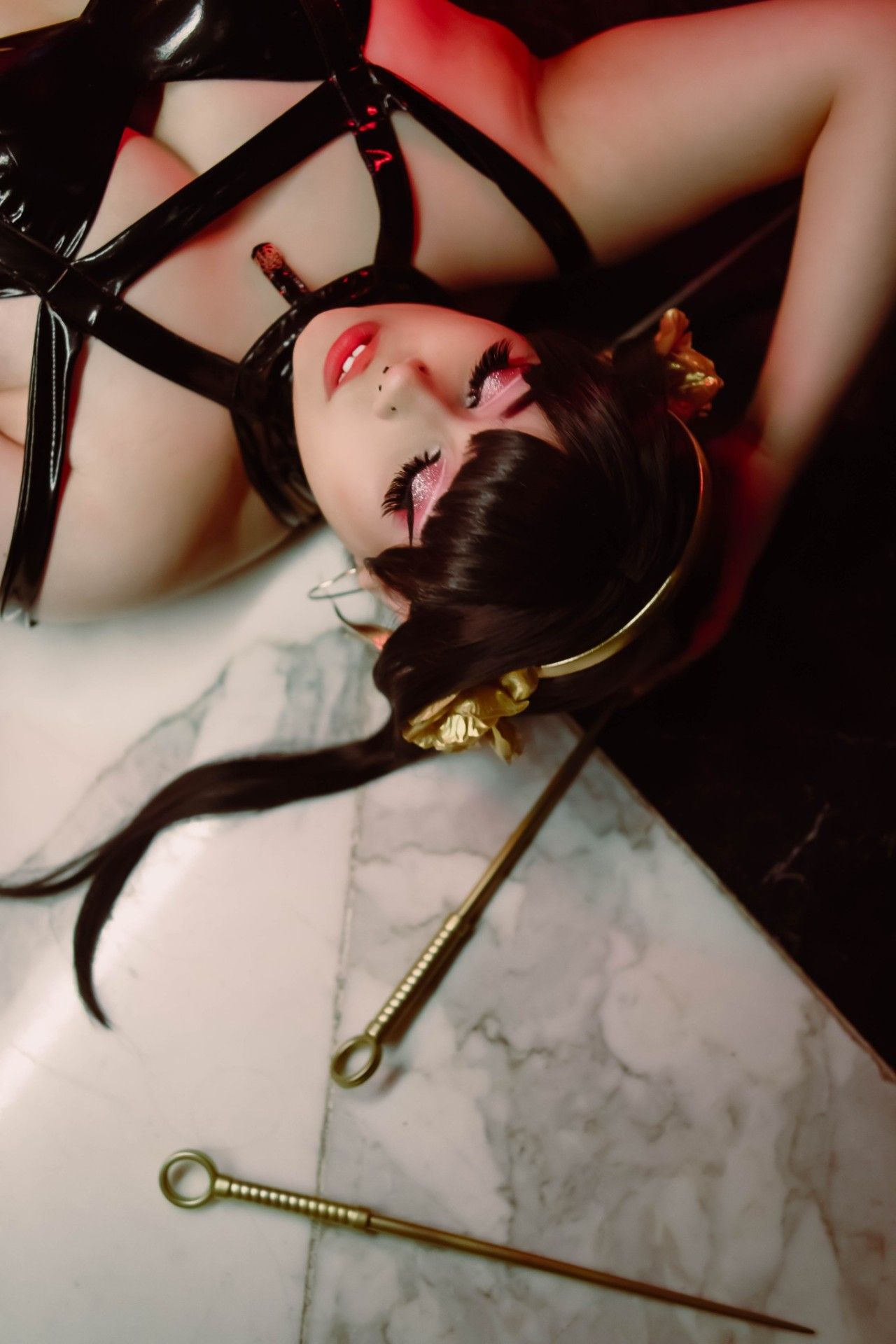
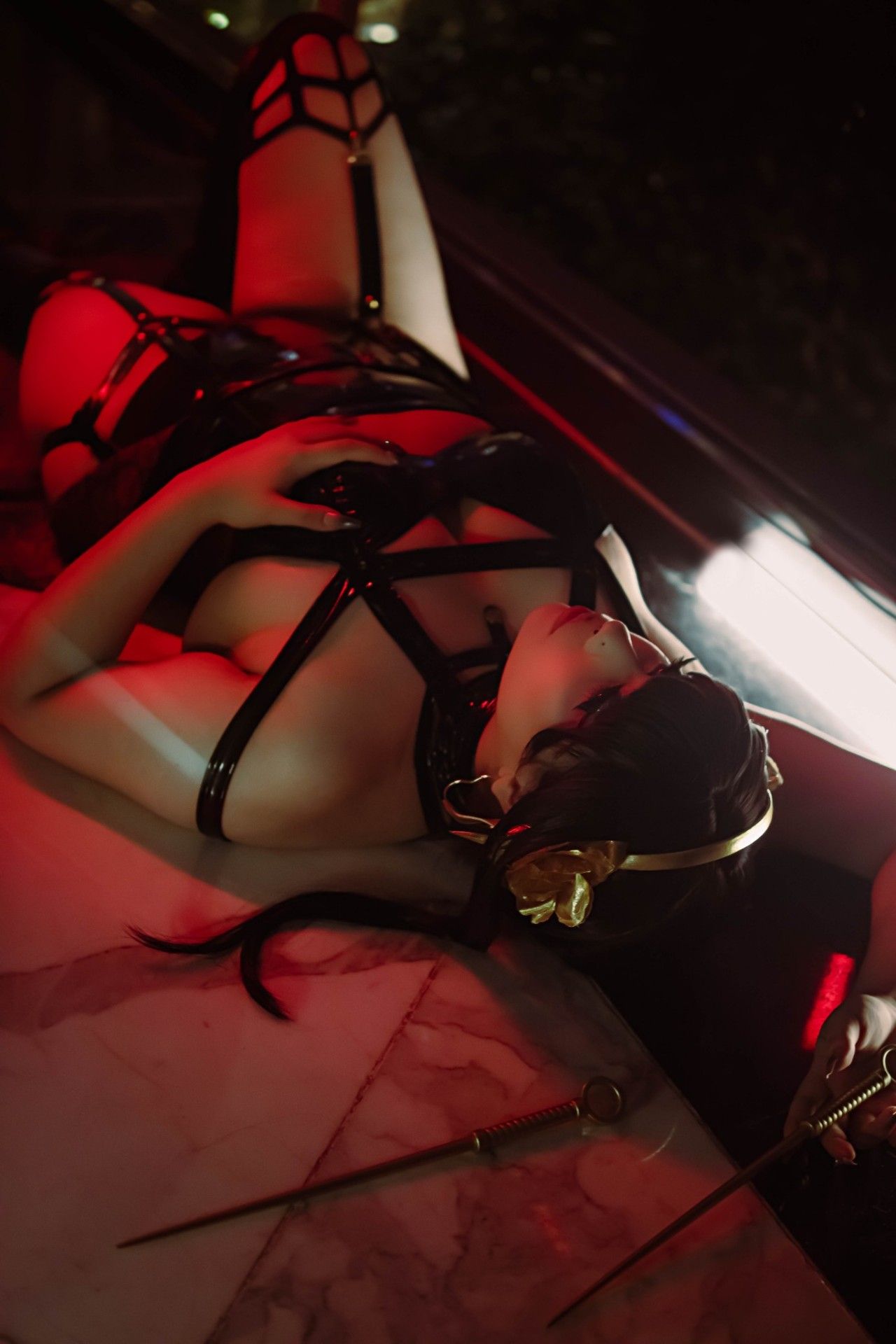
Eventually, I sold the T8-7Xs for the 15Cs. The 15Cs are much brighter, and also far more adjustable and sturdy. Two of them became my workhorses at cons and on location for the next year and a half or so.
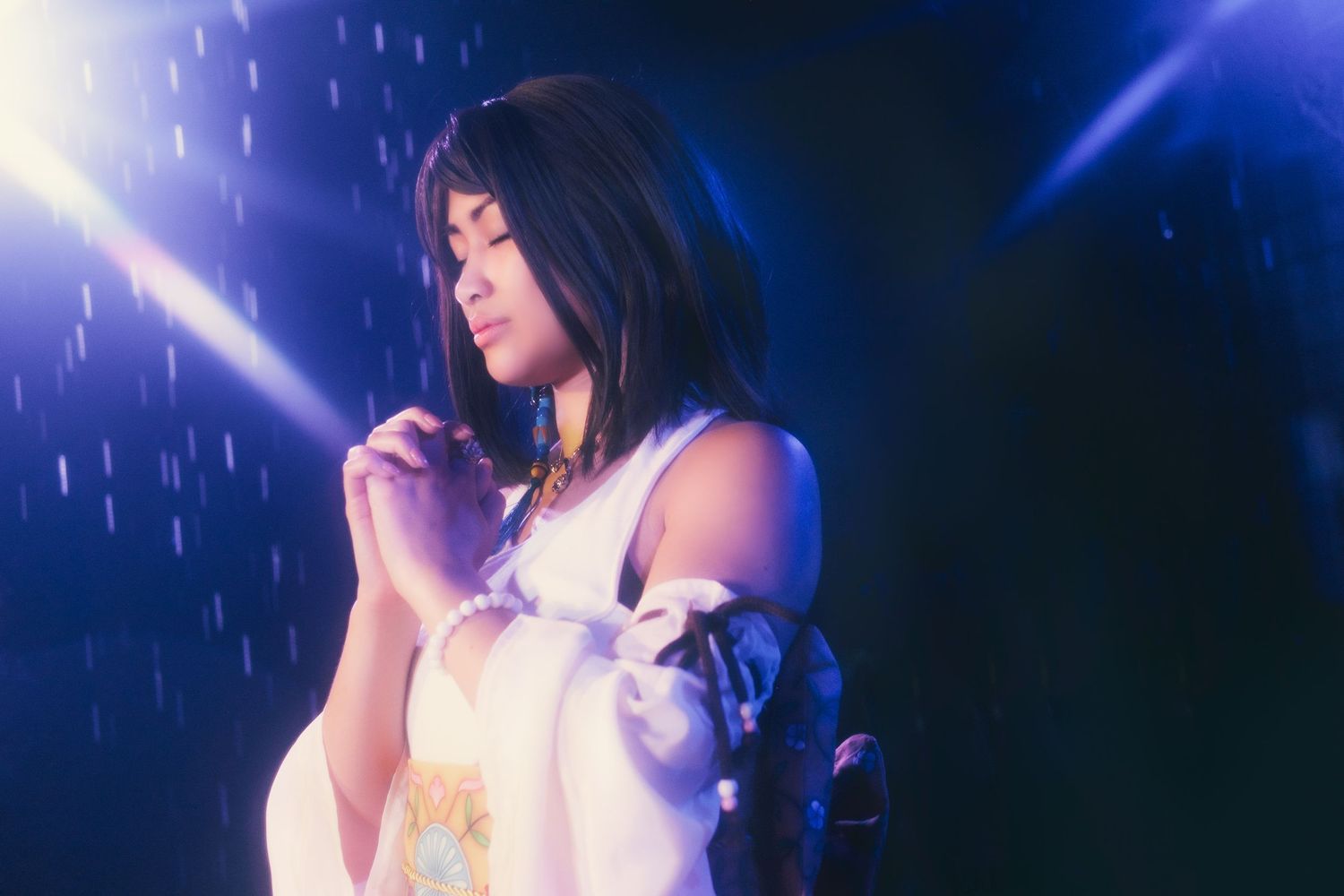
There were shot in the notorious FD Studio in Brooklyn. I used a 15c behind the model, and one in front. Especially when shot wide open, the light is bright enough to be used as a key light.
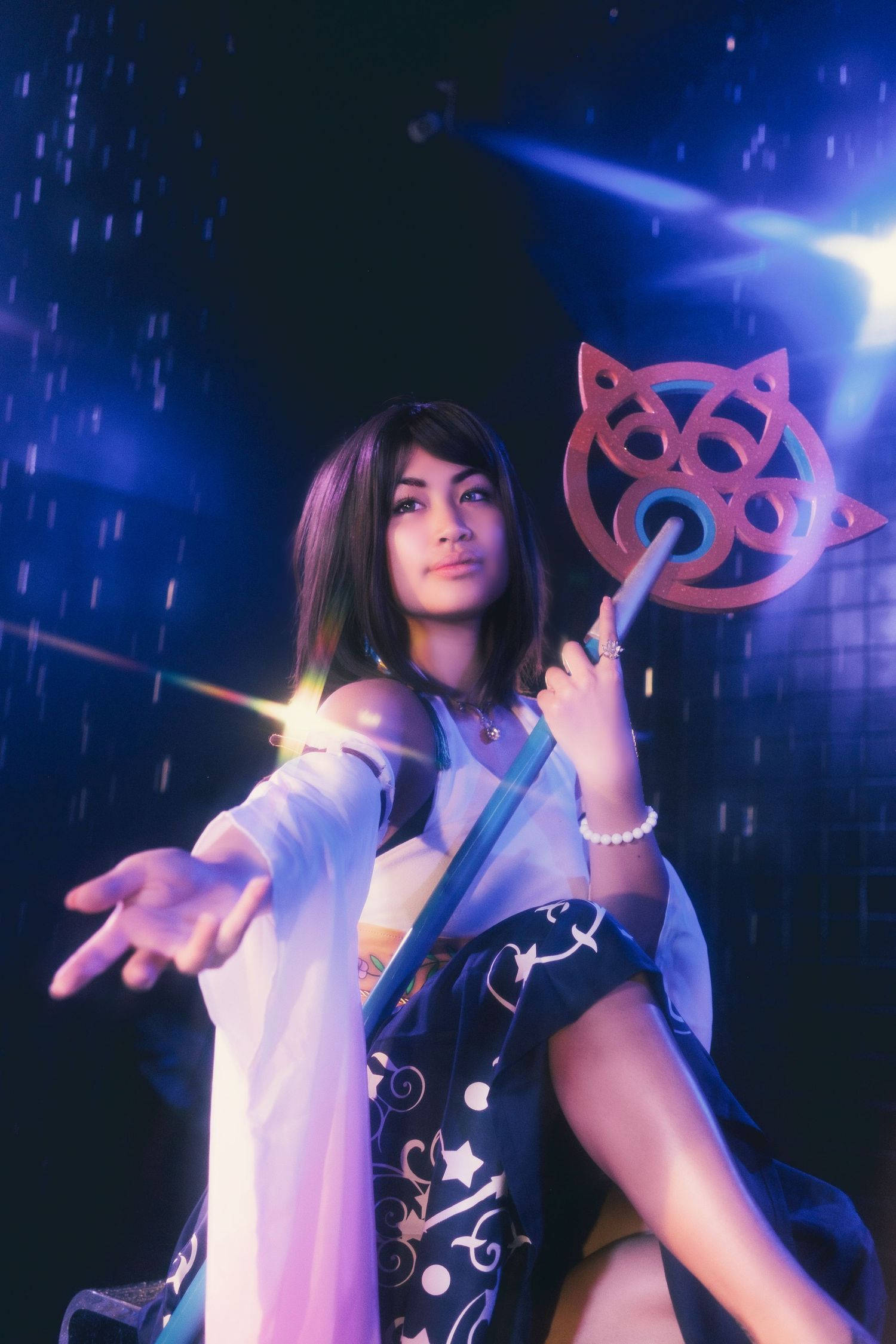
I've used these in studio / closed settings as well, not only for cosplay but also when I once did a boudoir shoot for a sister of a friend. These lights are BRIGHT and shouldn't be underestimated at all.
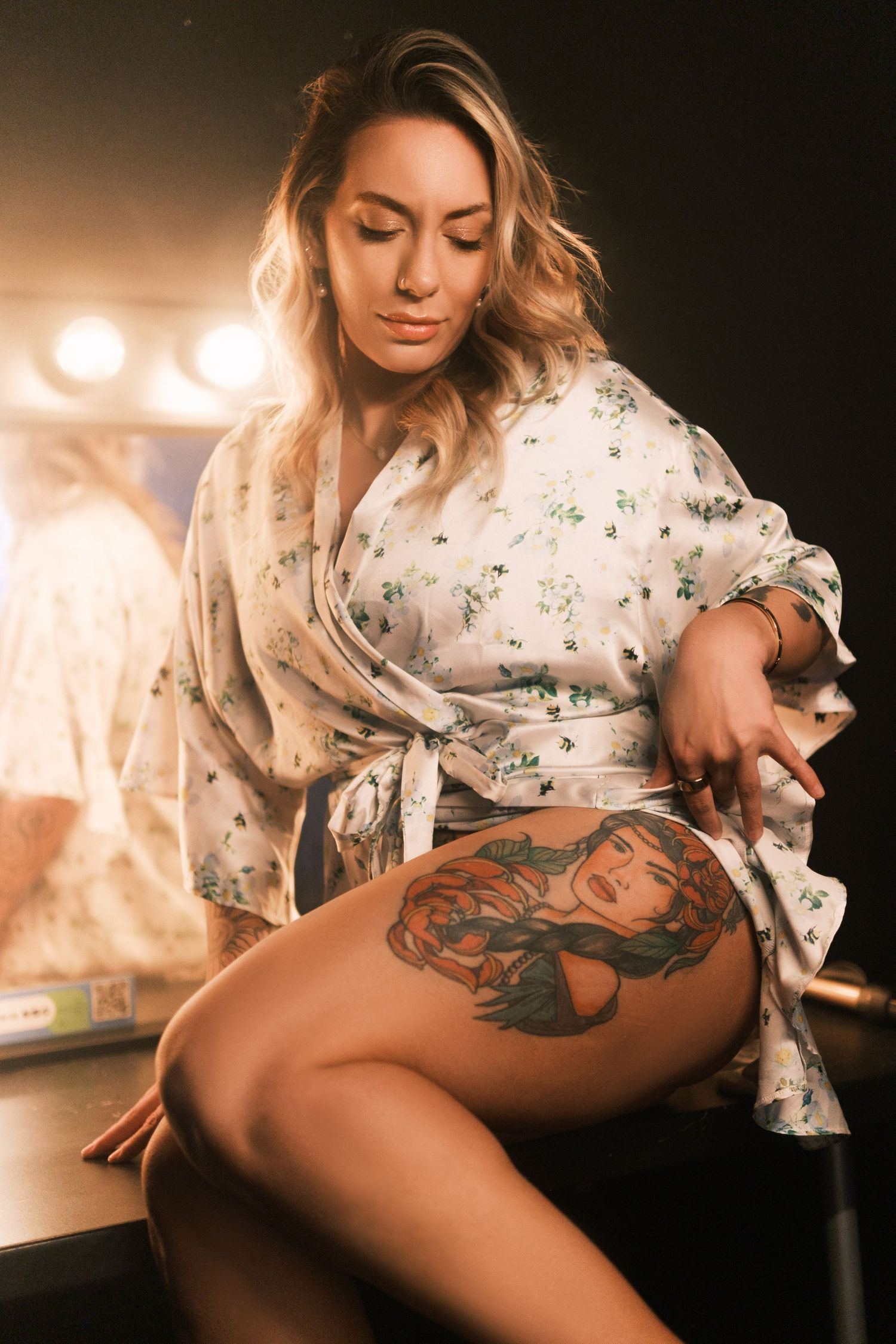
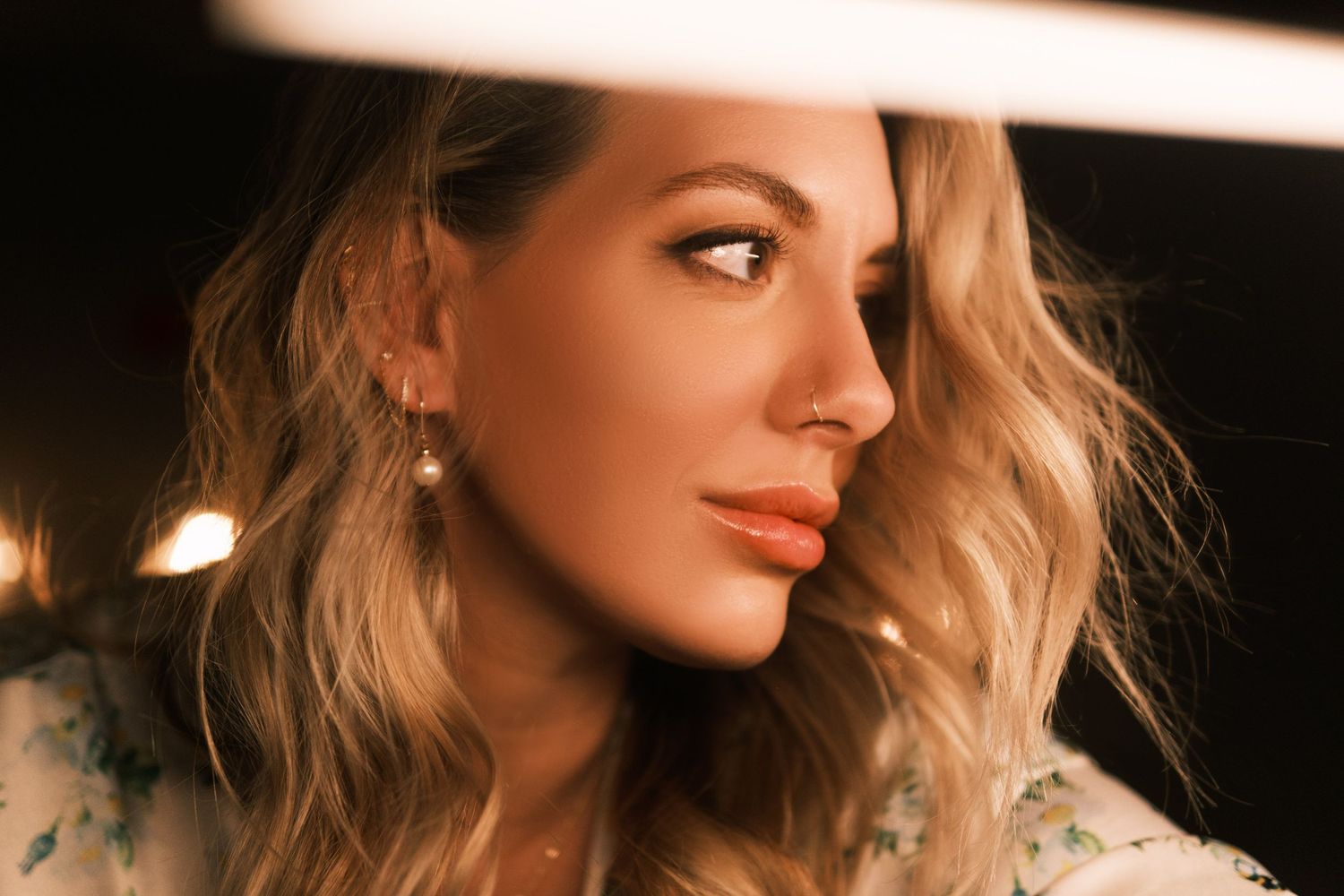
If I remember correctly - one 15C, held vertically, was positioned in front, and one 15C, also vertical, was positioned on model right.
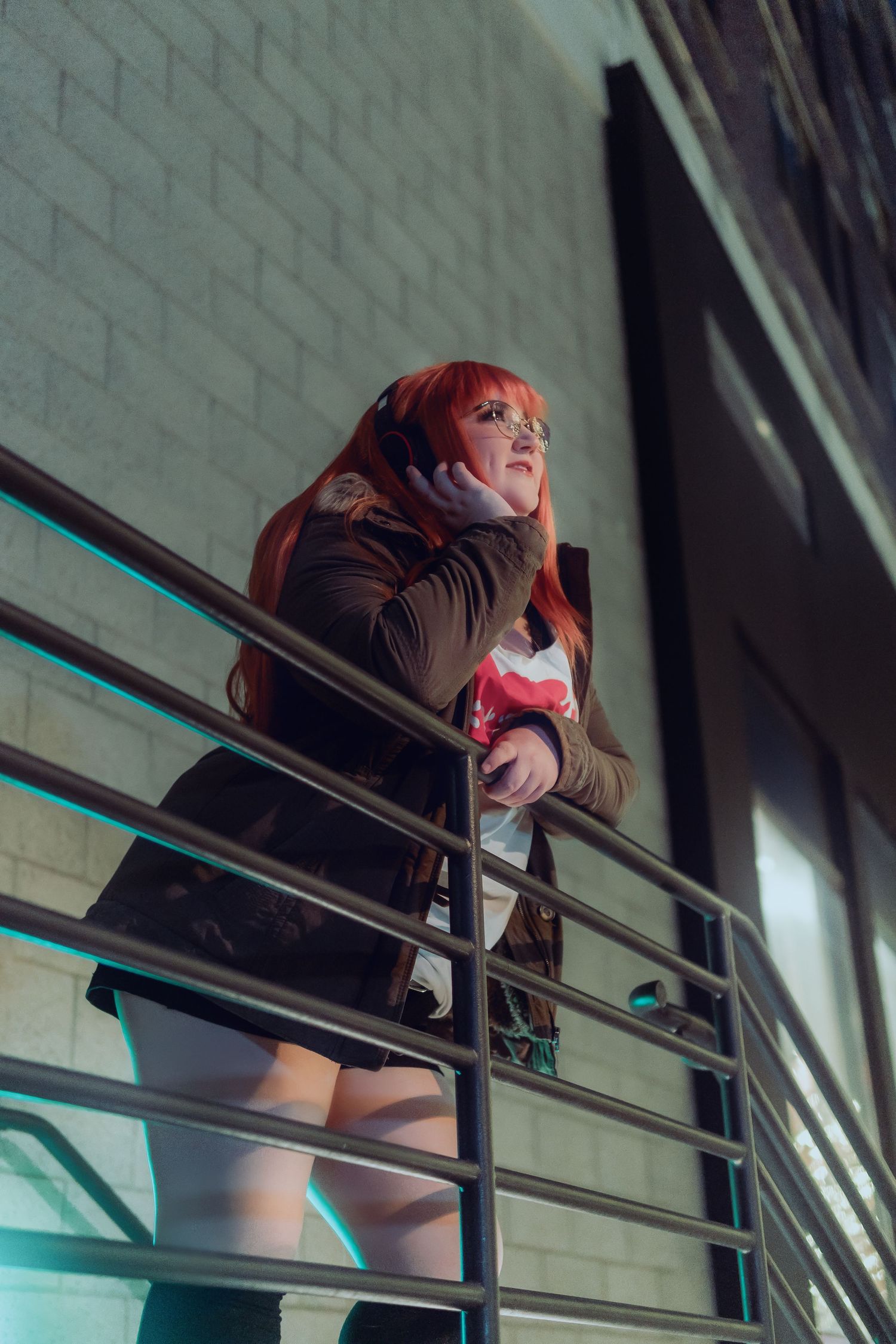
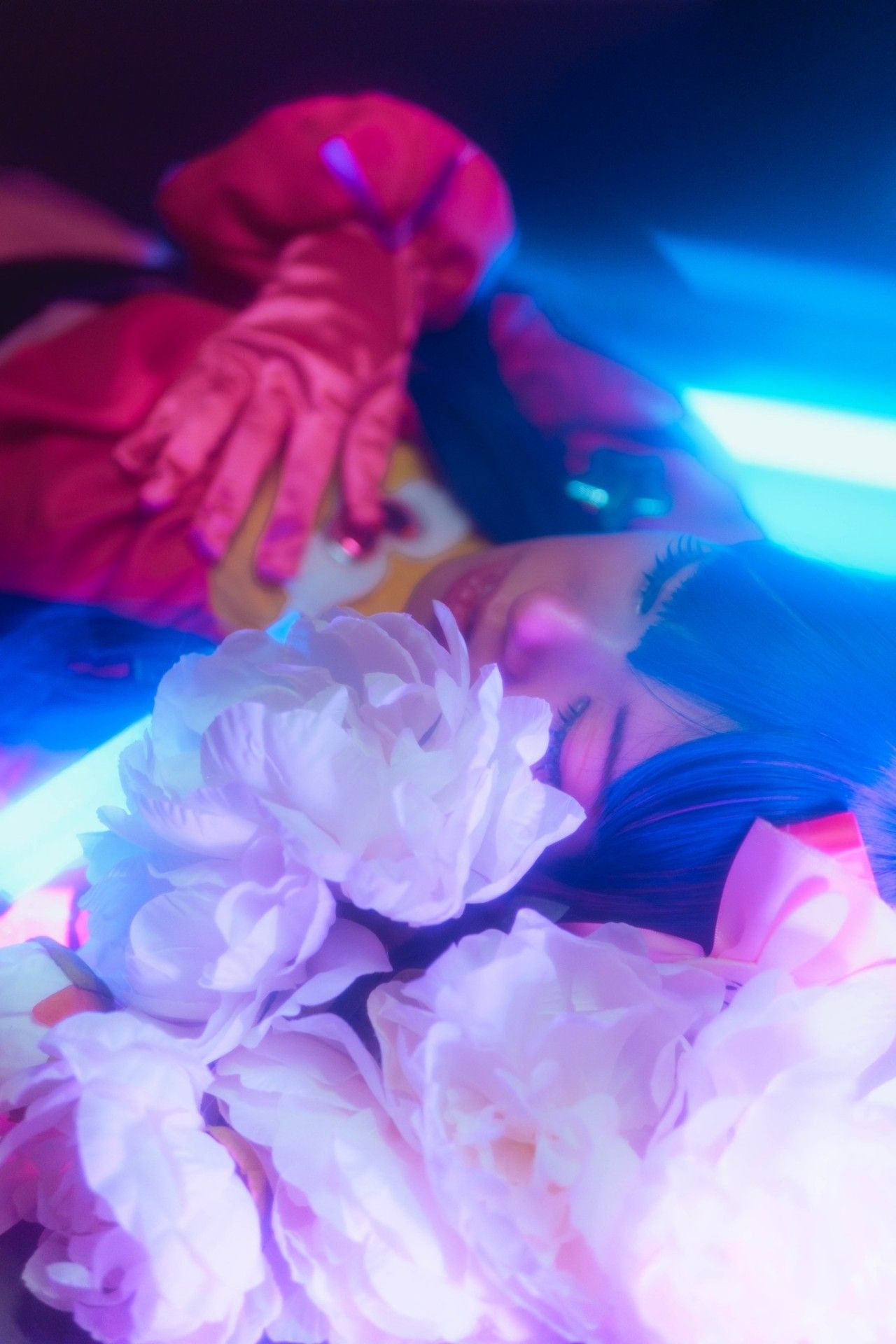
Off location shoots. For left picture, one tube served to fill face - one light was accent in back. For right, tubes were used as accent lights. Ambience dictated the rest.
I eventually phased out my usage of the 15Cs though. The main reason was because eventually, they became too much to carry by myself. They are tubes, after all, and to carry the tubes around in its own dedicated bag was difficult especially in a crowded con situation. I'd have friend assistants carry them for me, but even then, you always don't have assistants.
I also cosplay as I'm shooting - so there's that. If you've cosplayed you know how much it is to carry not only stuff you need for your cosplay, but also your camera gear (if you have any) and other things. I've rolled them around before in a "teacher cart," but even then it would be cumbersome to even just have them inside the cart due to their long shape.
Sometimes I do miss using them though. I'd say that there are three case usages where I'd see myself whip these out again:
- using them to construct a "clamshell" lighting setup - with one tube above the model, and one below of model. I found that these tube lights, and in general all lights that are tubular in shape, are good for this purpose. One tube light can also be placed above model as well, with a reflector underneath.
- using them for "accents," especially if I intentionally wanted a more cinematic or music-video like look to my photographs.
- in the studio: as hair lights, accent lights, or even maybe (?) as a substitute for strip boxes? I have yet to try this but I do feel like this will work.
The next light(s) I'm going to talk about are going to be from a company that I've fallen in love with - Zhiyun.
Zhiyun (G60, Molus X60, Cinepeer CX100, Cinepeer CX50, Fiveray M20c and Fiveray CF100)
God, I love Zhiyun. I found about about these guys when I was flying back from Europe, some time in 2023? The first lights that caught my eye are the Molus G60 and the Molus x100. I was sitting in the airport in Copenhagen trying to research everything I could about these lights. Eventually I caved, and bought myself the G60 and a huge battery pack to use at Otakon. I was not disappointed at all. Case in point: right image, taken at Otakon, featured the Molus X60, not even at FULL power.
Zhiyun is a Chinese manufacturer of gimbals, COB lights and LED lights. Their whole schtick is that their lights are meant to be extremely portable and small yet simultaneously pack a punch, and pack a punch they do. But you definitely have to do your research on each of them, because not all of them work the same way. Some of them are more rudimentary, like the G60. And some of them are fancier, featuring removable, rechargeable batteries and a variety of light modifiers made for their mount that actually do serve the purpose they are meant to serve.
All the COB lights will come with Zhiyun's native reflector and diffuser dome. Some of the extra kits come with their own soft box as well. And, you can buy a Fresnel lens-like modifier, a barn door modifier, and an optical snoot / spotlight modifier.
There's just too much that like about Zhiyun's lights that I don't really know how to cohesively organize my thoughts and convey all of them without excessively yapping. I will say though that I do have a tier list for all of the lights I've listed above, and I'll try to make it as brief as possible. Zhiyun pay me in free products please
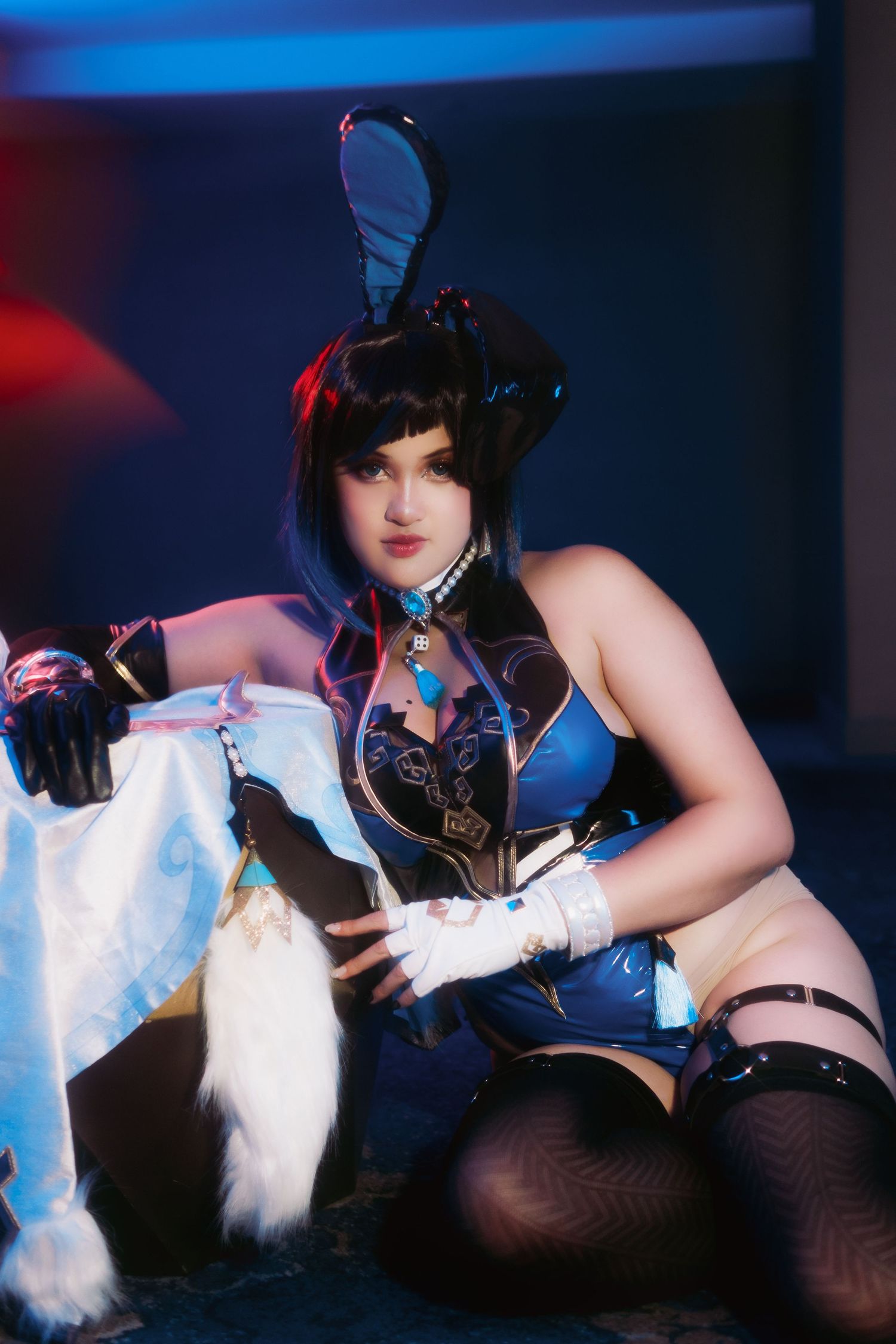
G60 as key light, pavotubes for hair light and accent.
G60:
My first Zhiyun COB light, as mentioned above. I upgraded to a Cinepeer CX100 afterwards. It's a bi-color light.
Pros:
- It's 60w. It's stupidly bright at 100%.
- It's small. Really small. You can throw this into a bag and it would fit. It's literally a little cube of light.
- It's compatible with the other Zhiyun mount modifiers. All of the Zhiyun COB lights are lol, so I won't repeat this point.
Cons:
- It may be small, but you will need a LARGE battery pack or a outlet nearby to use it. Even with the battery pack, depending on the type of cable you have, you may just be limited to only 20%-40% of its power (which, isn't too dark but still.) It's best to use with an outlet.
- It does feel plasticky and cheap. But for the price, you are getting what you pay for.
- The knobs are not the most precise thing in the world.
- No G/M adjustment.
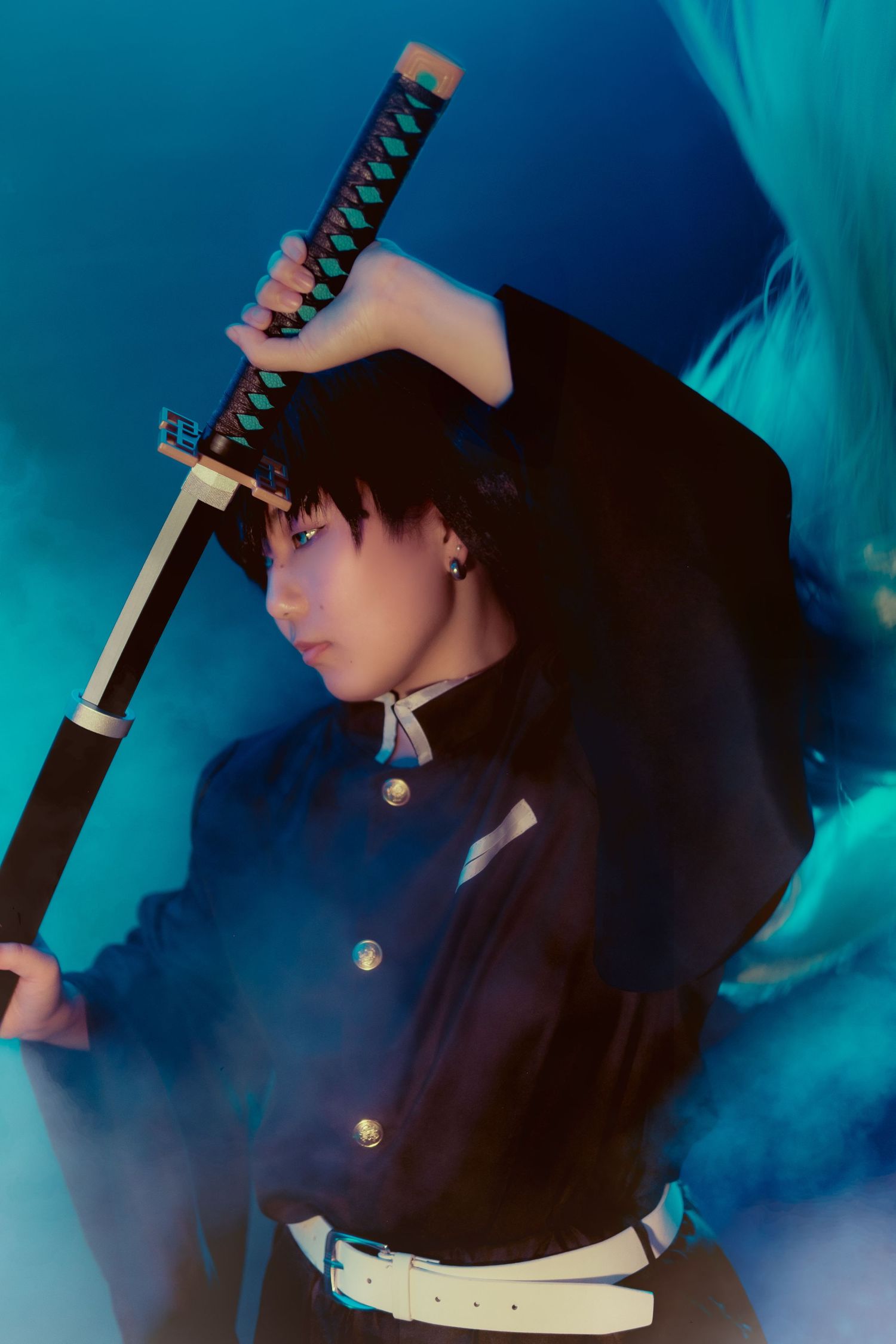
G60 as key light, pavotubes for hair light and accent.
Cinepeer CX100
My second COB Zhiyun light. (But not my second Zhiyun light period - I bought the Fiveray M20c before this and will talk about it later.)
Pros:
- It's 100w, which is pretty good considering that 60w is already outrageously bright. Meaning you can set it to about 1/4 - 1/2 of its power, and still have enough juice for the rest of the con. A good-enough powerhouse that gets the job done.
- It's the budget version of the Molus X100. So if you can't afford the Molus X100 then this will serve the purpose of a bright bi-color light well.
Cons:
- It's also kinda cheap feeling, but not as cheap as the G60.
- Knobs are not precise at all. It's a little annoying to turn on to be honest.
- Sometimes it gets stupidly hot and loud even when not at 100% power.
- Battery doesn't last as long as I'd like it to, even when not at 100% power.
- No detachable battery.
I am definitely upgrading to a x100 later - but it works for what it is. Definitely would highly recommend for a first COB light. I personally like using it as a backlight, electing to use the x60 instead as a key light because the angelic light effect is just...well, so angelic.
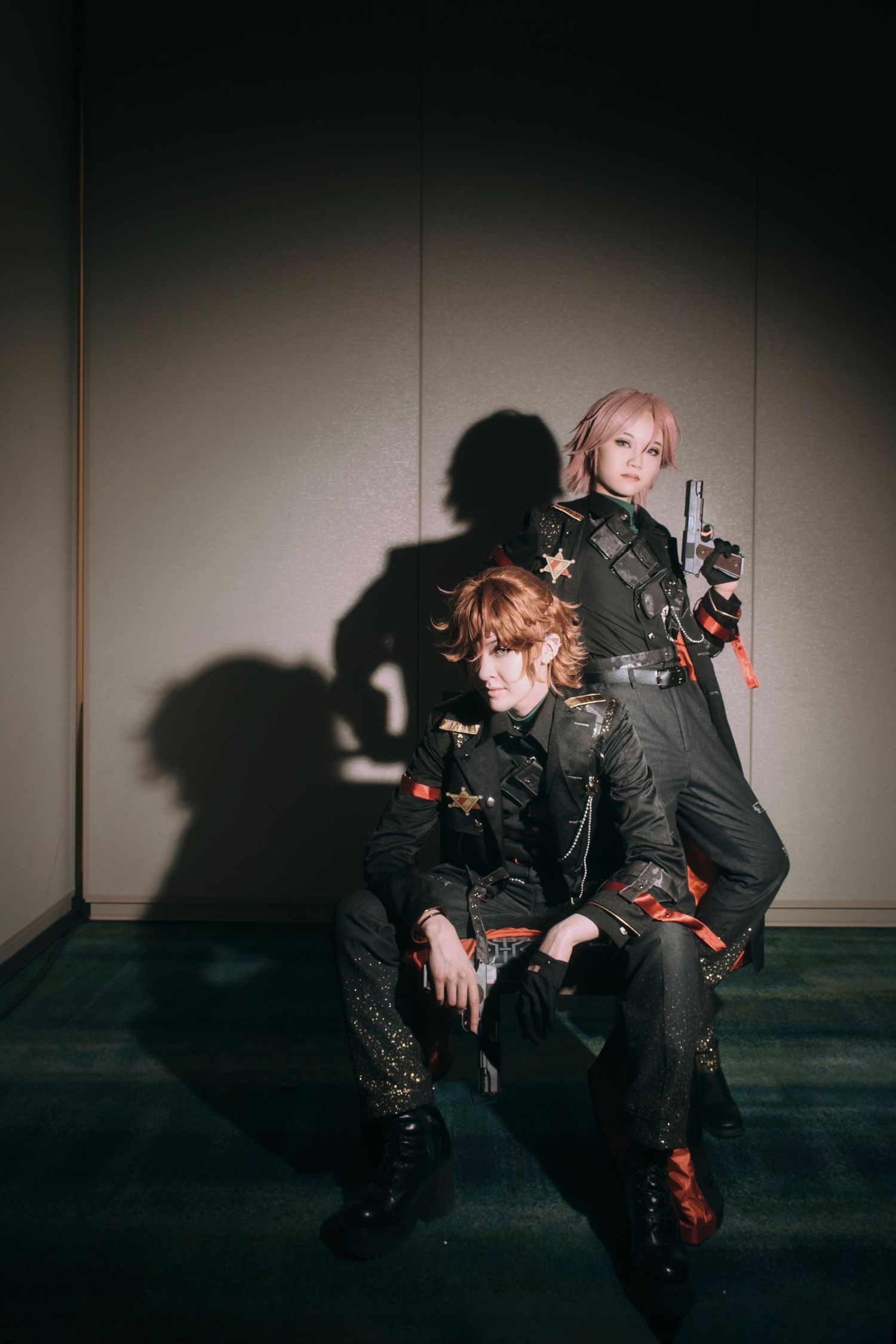
Illuminated only with the CX100.
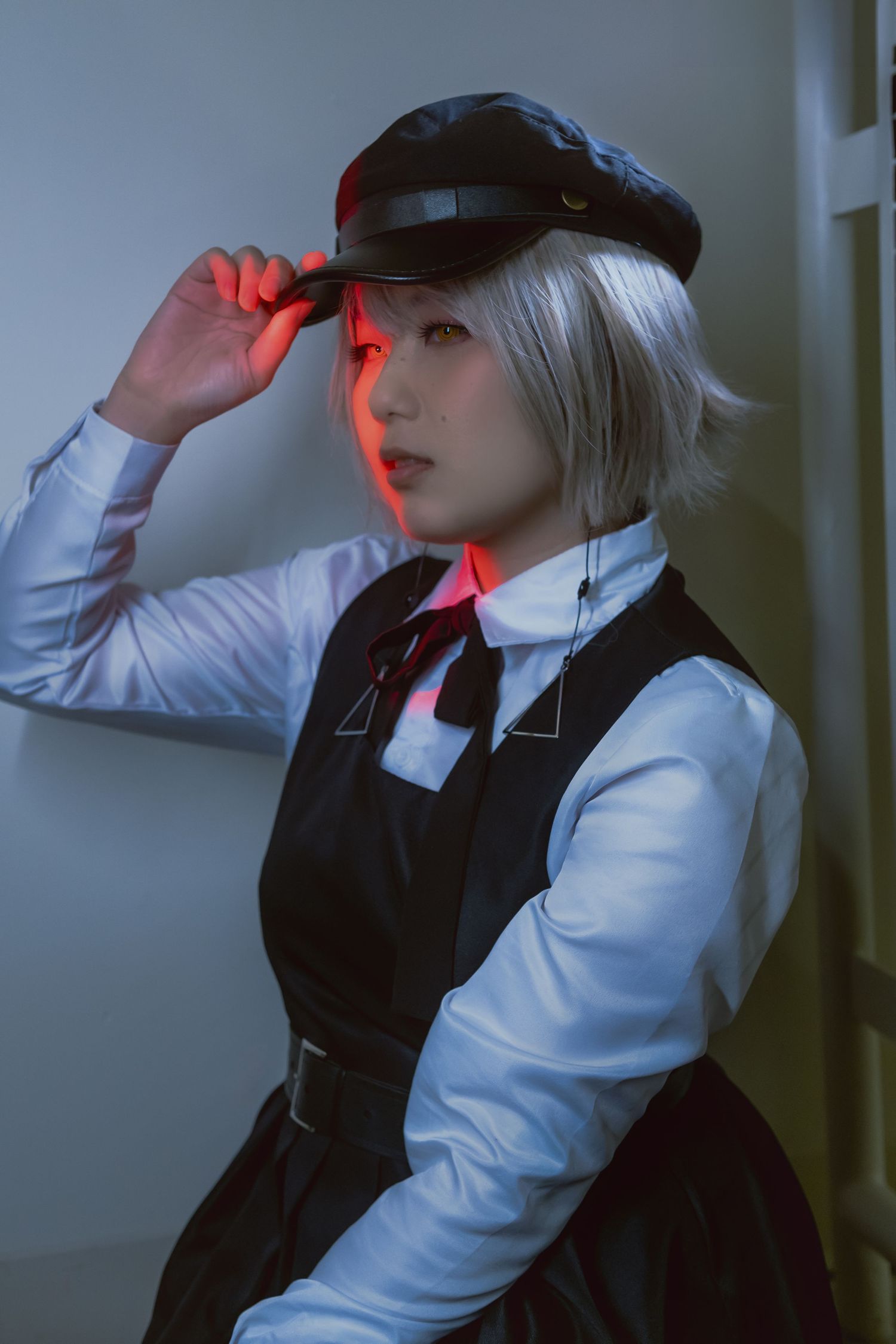
Red accent light with this "photography flashlight." The M20C is being used to highlight the hair.
Fiveray M20C
My first Zhiyun LED light. Ended up not really liking it. Gave away to a friend.
Pros:
- 20w, so it's a good camera-mounted light imo. Good for hair light / kickers as well.
- Very portable. Can fit in your hand.
- Lots of fun modifiers like the diffuser, the grid, and the barndoors. They are all magnetic.
Cons:
- I remember feeling frustrated by the need to update the software. It bricked the light for a good few months before I finally got it to work again.
- It's also kinda delicate if you don't handle it well (I somehow broke the hinge?)
It's a fun light, but I would probably not purchase it again; it felt kinda gimmicky if anything.
Cinepeer CX50
My third Zhiyun COB light. I eventually gave this one to a friend and bought the Molus x60 as an upgrade.
Pros:
- 50w is still stupidly bright. At this point, let's just establish that all of the Zhiyun's COB lights are bright.
- More portable than the CX100. Form factor is comfortable, and can be held in hand.
- Knobs are far more precise than the CX100, better control period.
- Budget version of the Molus x60.
Cons:
- Not as cheap feeling as the CX100 imo, but still cheap.
- No detachable battery. But I will say, the battery life is better than the CX100 for some reason.
If not the CX100, I definitely recommend this if you're looking for something cheaper than it. It just works and it works well.
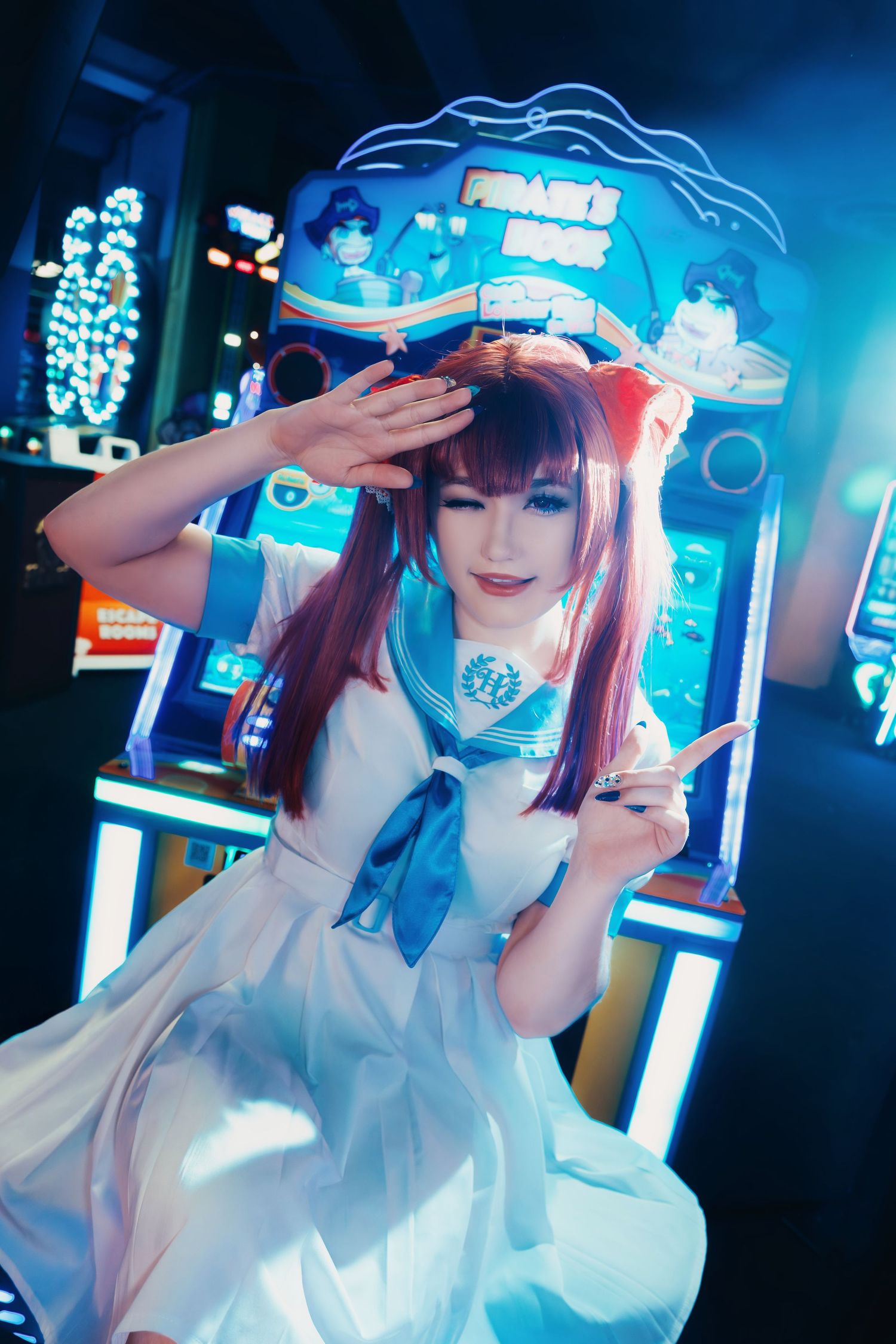
CX50 for hair-light, fill on face is through a Neewer cube light mounted on camera
Fiveray CF100
My second Zhiyun LED light. Bar light. I still use it for things sometimes, but I don't use it very often.
Pros:
- 100w. Bright enough to be key, but I use it for fill and kicker if anything.
- Comes with a diffuser sock and two barn doors.
- Lasts longer than you think it would.
Cons:
- It's heavier than you'd expect, and I actually find it hard to carry around by myself some reason. I've stopped bringing this one to cons, instead electing to use it for off location / studio settings.
Works for what it is - it's not a go-to for me though.
Molus x60
My fourth (!) Zhiyun COB light. My current workhorse at cons.
Pros:
- Stupidly bright as all Zhiyun COB lights are.
- Portable. Comes in its own carrying case, but you can also just carry everything separately in a bag without the case.
- Depending on what combo you get you will get a good amount of fun modifiers to play with, including a softbox.
- Comes with not only ONE but TWO separating, rechargeable batteries.
Cons:
- I genuinely can't think of a con. I think if anything, the buttons are a little finicky (?) But that's so as long as people aren't messing with them. Otherwise I have nothing bad to say about this guy.
To show off the x60, I'll talk about this shoot where I used the x60 and cx100 in tandem (right) The x60 was mounted on a C-stand, and aimed top-down towards models, reflector on and sock off for some hard light. The cx100, with spotlight attachment, was aimed towards the model.
The spotlight attachment, which is made for the Zhiyun mount and is one of their newest additions, also comes with gobos, which can simulate the appearance of window lighting, among other things. For this picture, there was no gobo, but you can see how the spotlight concentrates light onto the face selectively, casting interesting shadows that almost give it a sort of "film noir" look that I love.
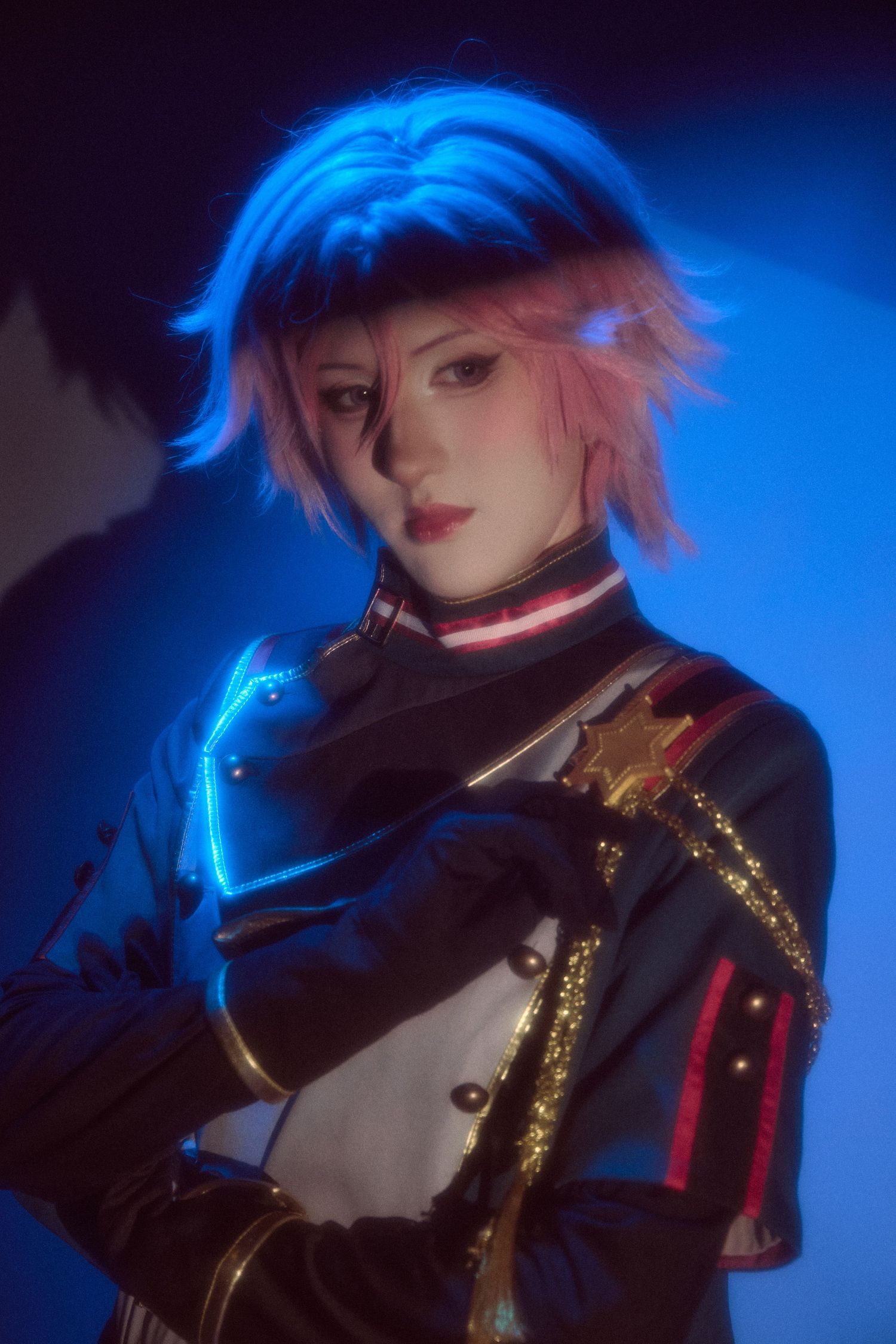
None of the modifiers that Zhiyun sells for their COB lights are new or unique, of course - reflectors with diffusion socks exist, barndoors exist, softboxes exist, and spotlight attachments exist already for other mounts. Ultimately, the size-factor of these lights - and the fact that all of these modifiers either come with the bodies already, or can be purchased for a fair price, is what continues to sell me on Zhiyun products. I also forgot to mention that they do sell a separate Bowens mount adapter as well, for those who want to use Bowens compatible modifiers instead of the Zhiyun mount modifiers. There's a small joy in knowing that there's the option able to experiment with multiple modifiers that aren't outrageously pricey at all. There's even people who shoot without even any modifier. I had observed a fellow cosplayer-photographer friend of mine shot with only a cx50 and no modifier at Mag and the photos looked amazing on the display.
Zhiyun's lights really do make me feel like I'm carrying a whole studio in my pocket, haha - I can't say the same for their LED lights, honestly, but their COBs are next-level amazing and I think I'm a loyal customer for sure. Definitely, if you're starting out, or just need a light, I can't recommend their COBS enough, especially the x60 or cx50 for portability.
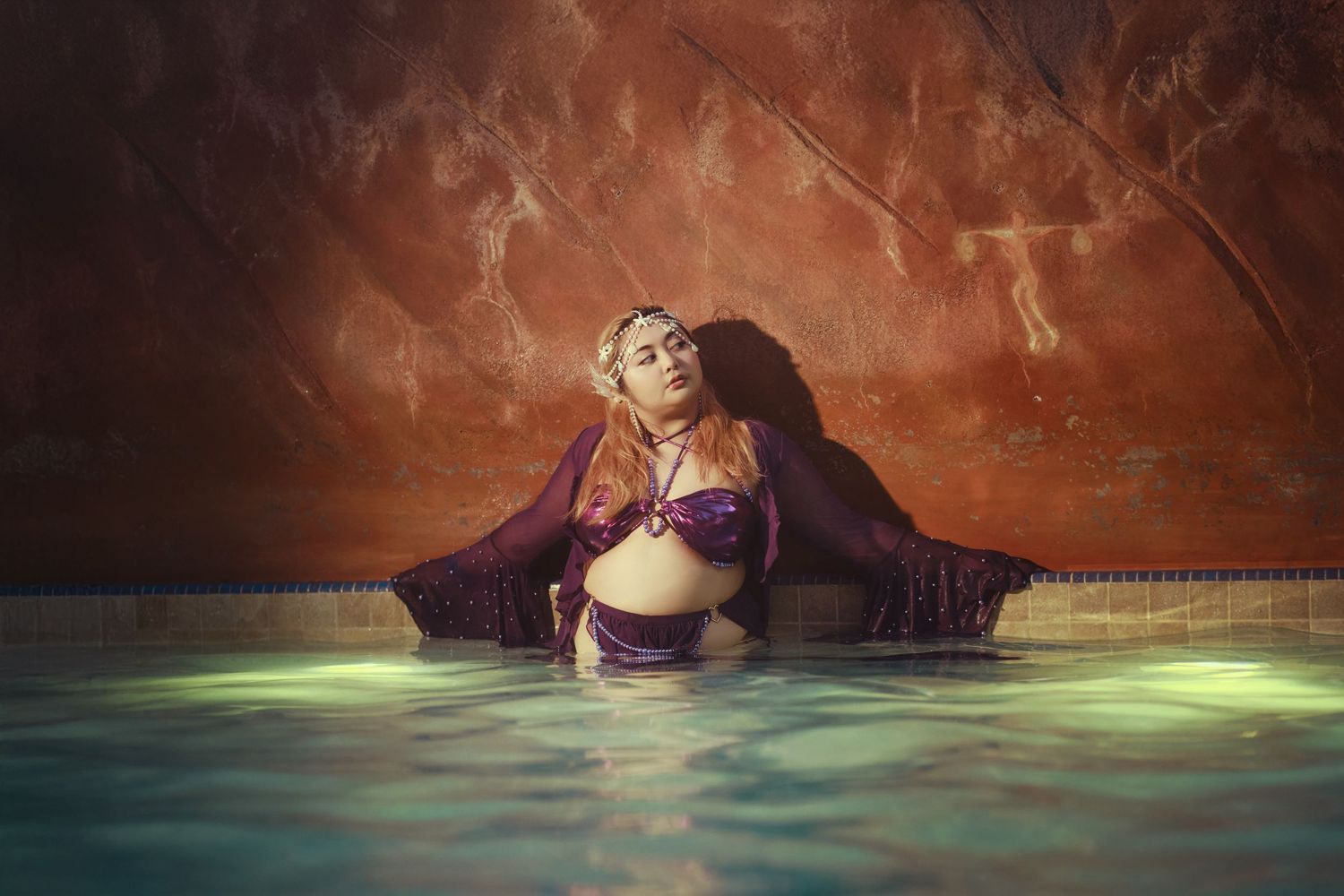
Other lights worth mentioning that I like and use ("Photography flashlights," cube video lights for fill, Amaran Pano 60c and 120c)
I just talked a lot about Zhiyun lights just now. To conclude this blog post, I wanted to shine some light (hah) on some other continuous lights of note that I like using for my work.
My secret that isn't so secret is that I like browing Xiaohongshu (rednote) for lighting inspiration, and walk away more influenced than I thought I could ever get. Some of these lights that I'm about to talk about are lights that I've either seen on some Chinese site, or I've seen people use and decided I wanted it, or a mix of both because I have a severe GAS problem of the continuous light variety.
"Photography flashlights"
The first lights I'm going to highlight are these..."photography flashlights" - as they're often marketed as. I saw them one day on Taobao and asked a friend to ask their mom to bring it back for me. I also bought a cheaper one on AliExpress, that looks like this. These flashlights have helped me in a pinch, for when I need just a little bit of a pop of light, or something interesting to draw attention to the face. I certainly don't think I am the first one to know about these flashlights, but I do find it coincidental that ever since I asked my friend's mom to bring one back, they've been popping up on Amazon. Like this one from SmallRig, or this one from PhotooLex. Mine is literally some off-brand one that doesn't exist on Amazon, only Taobao.
These flashlights often come with gobos and other weird stuff that you can put in front of them. They're not the best - you can't really focus them or anything - but for that out of nowhere pop of light, or that needed point of interest, or some contrast, they're pretty good for that. Here's a couple of different shoots (of me, or others) where I used these photography flashlights.
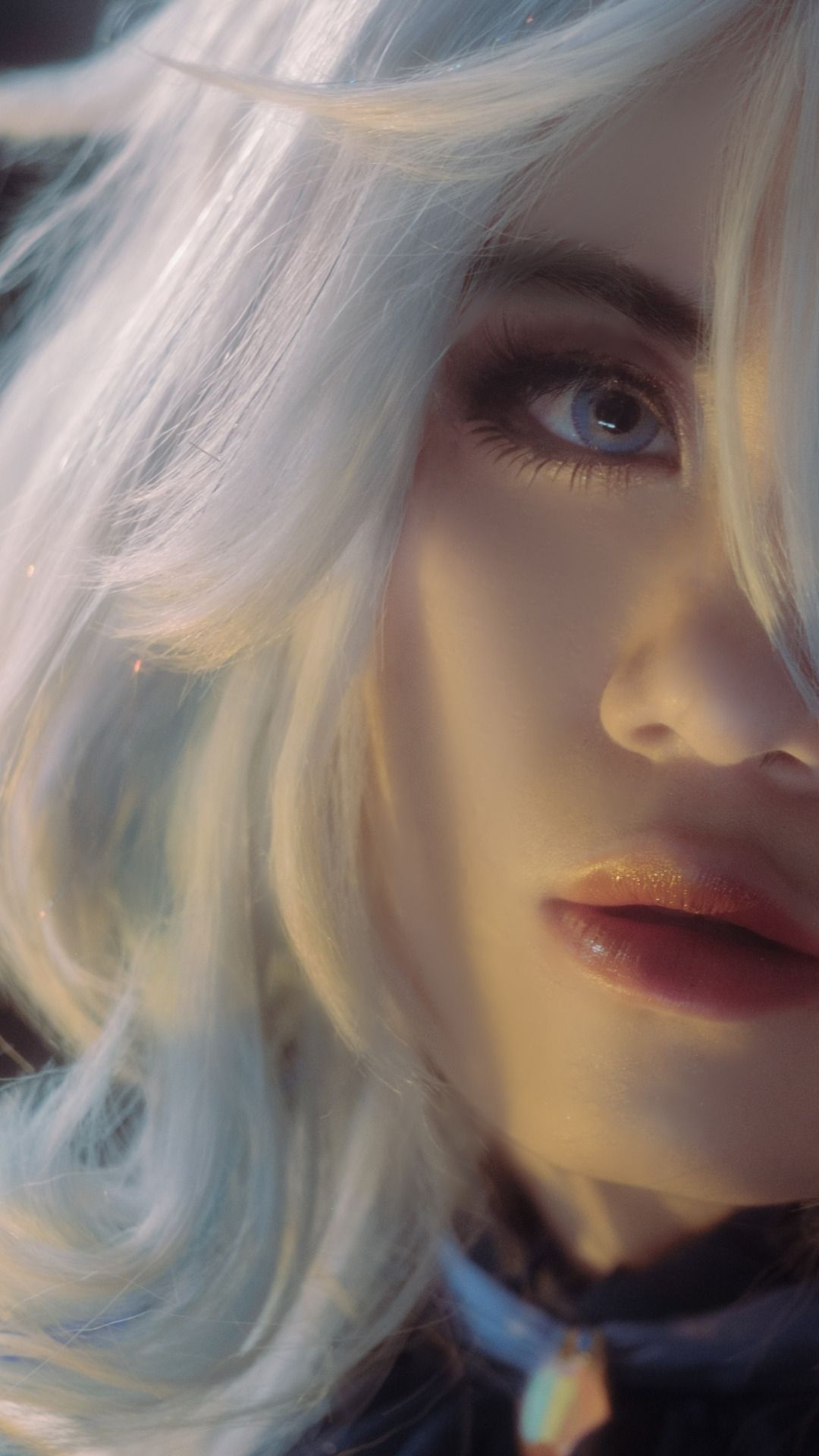
This was self-shot. I used one Nanlite Pavotube 15c as fill from the bottom, then the photography flashlight on my face, placed on top of stool, is positioned towards my face.
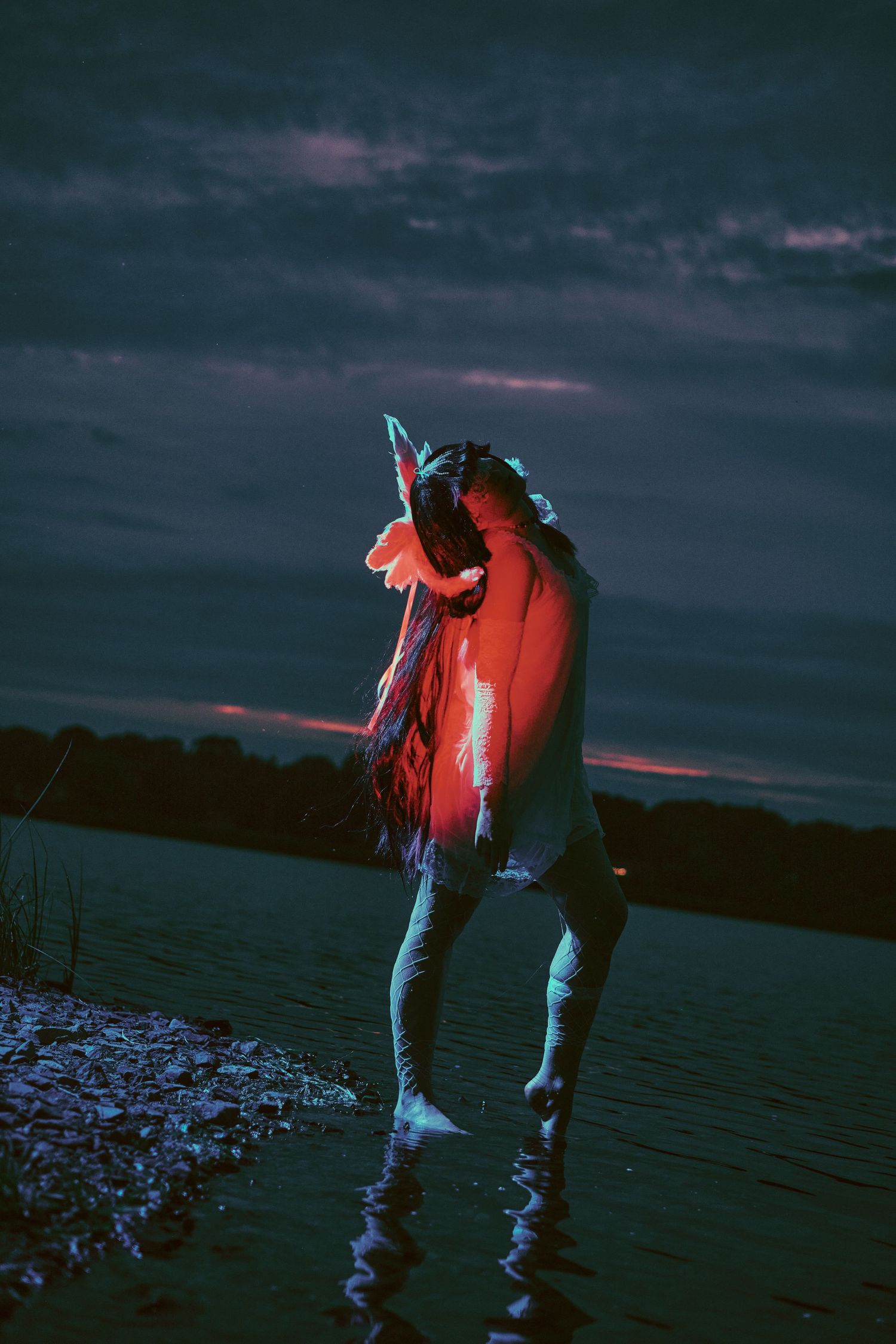
Zhiyun CX60 in blue is being held up from above, towards model's back. I'm holding the flashlight set to red here directly to their body, and the flashlight is "zoomed in." I don't shine it completely on them though - to give this picture that element of "cryptid" that they requested from our session.
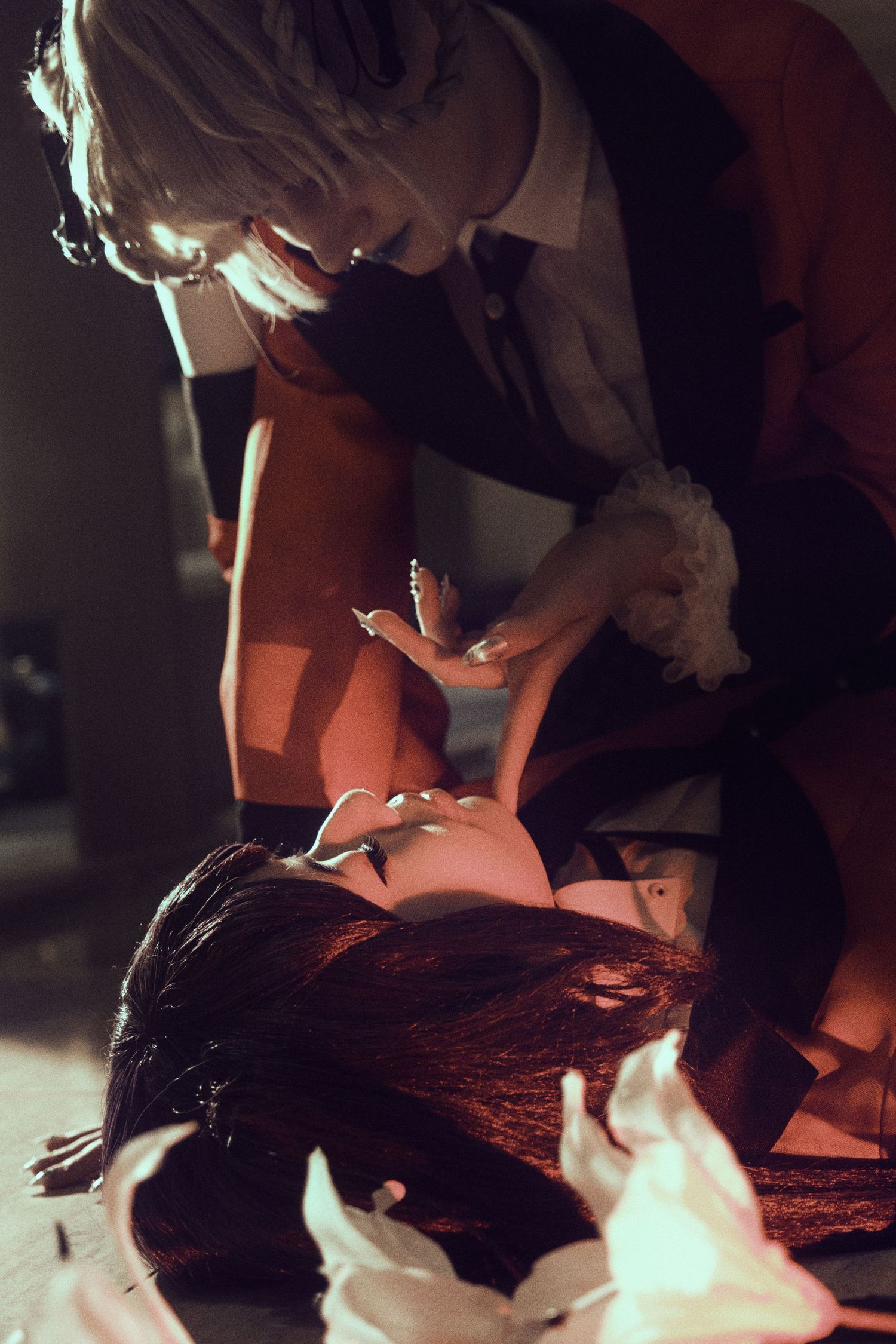
Backlighting from CX100. In this case, the flashlight is laid on the floor as I'm shooting. The flashlight has been "zoomed out," so the concentration of light on the models is overall less.
Video Cube Lights
The second lights I'm going to highlight are those relatively weak video cube lights. The types that you can mount on your camera, that definitely can not light a whole room - but you can definitely use them still for something. Here's the one I like using right now.
There are two ways I use these lights. First, I like to personally mount one on my camera to use as a fill light for front - if not that, then it helps add some shine back into the eyes of your subject(s). This seems very obvious, in hindsight, but I also am a dummy and didn't figure this out until I went on Xiaohongshu.
Second, and this is one where I have tangible proof of doing, I like to have people hold these lights. Whether it be in their chest or their hand - I have them hold them as another "point of interest."
Recently I got the Amaran Ace 20c, which is a bigger, brighter version of whatever I have. I'm still going to keep the Neewer light for the size factor, but maybe later I will talk about my experience using the 20c in some other blog post, some other time.
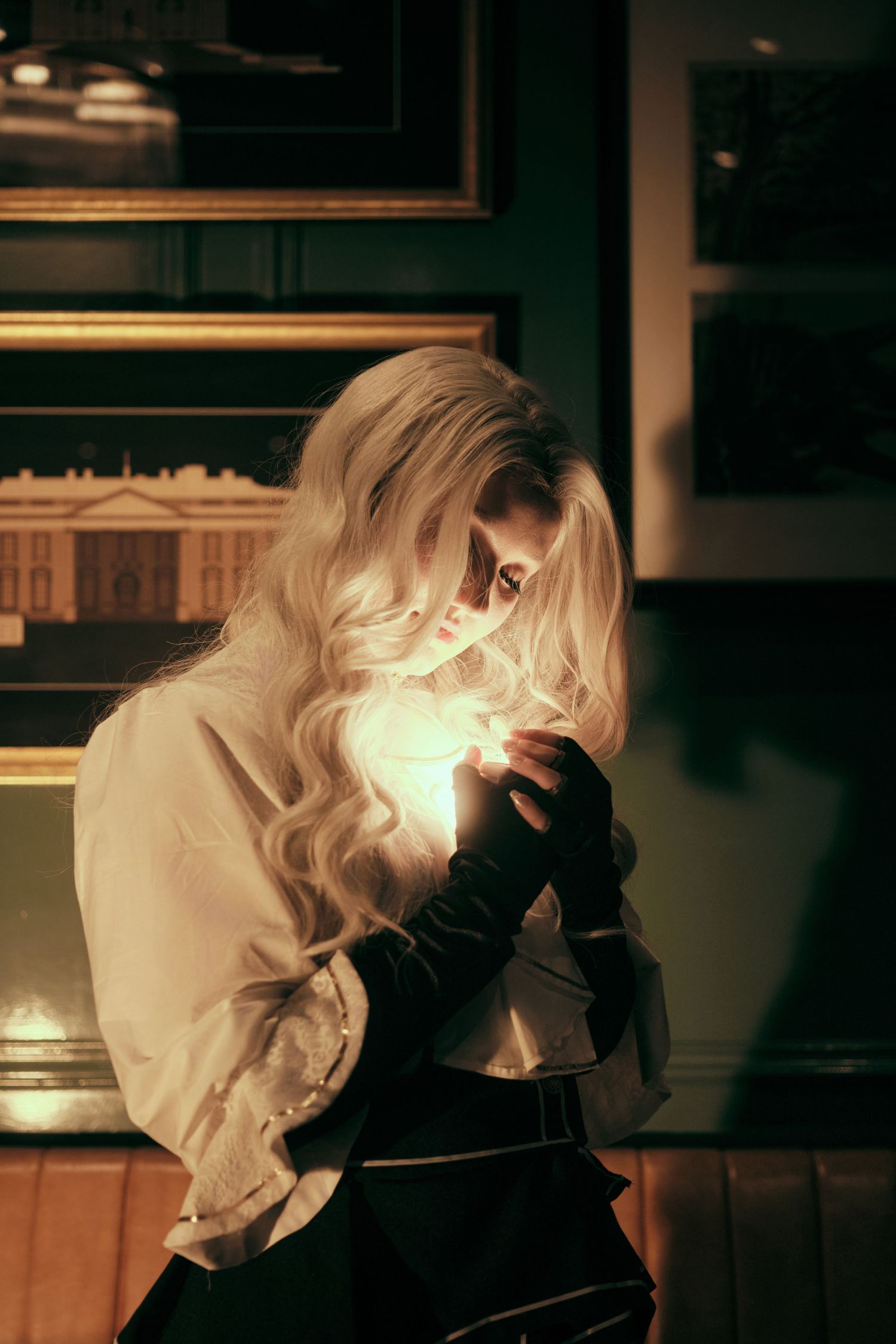
Two lights here - the x60 on the model's right, and then the Neewer cube light in their hands.
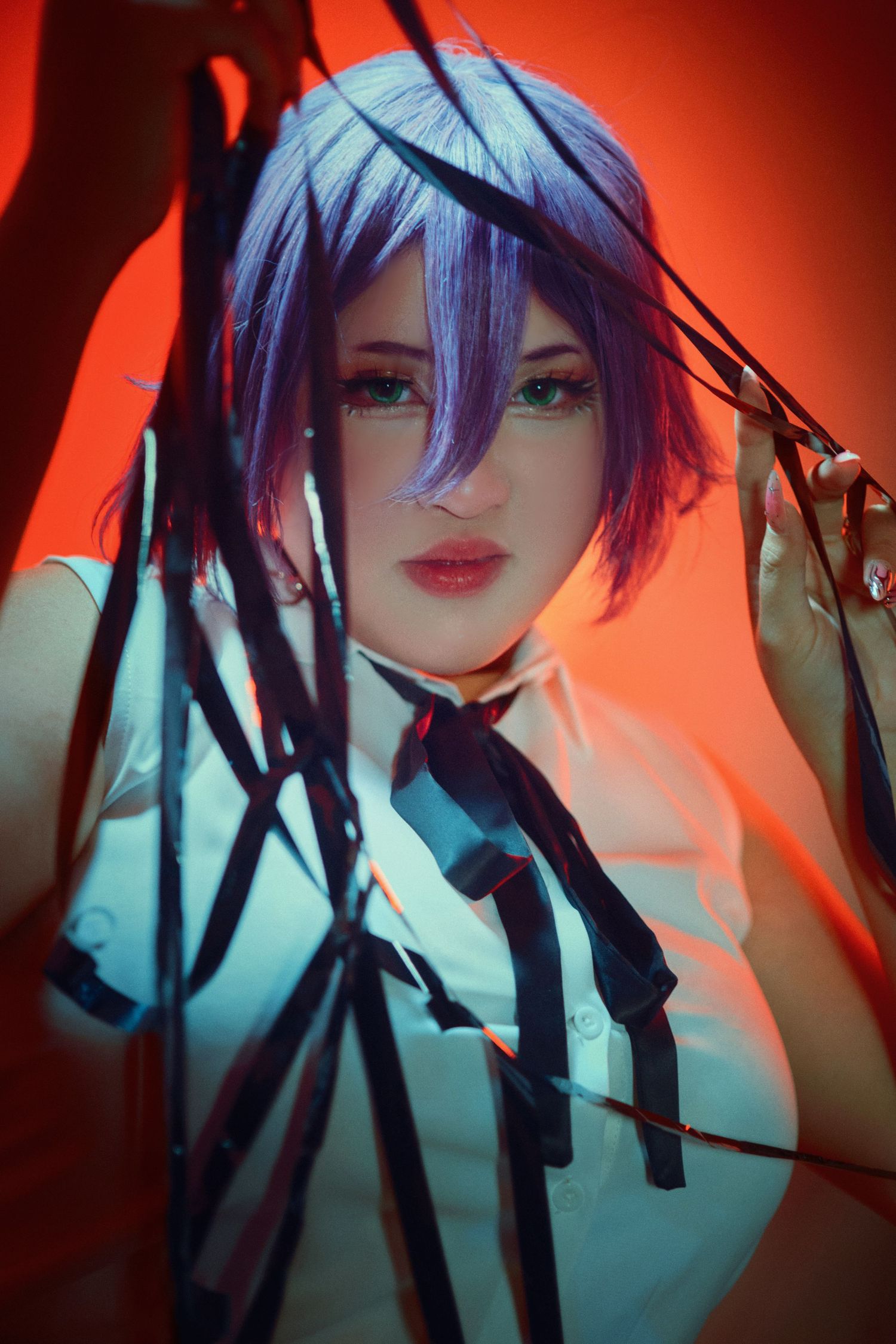
Amaran Pano 60c / 120c
Speaking of Amaran...Zhiyun still has my heart no matter what but Amaran may become a biaswrecker within the next few months. That depends if I (re)enter a LED panel light phase or not lol. Recently, my photographer friend Brandon got me hooked on the Amaran Pano. It's an LED light panel, that comes in 60c (60w) and 120c (120w). The 60c is the size of an iPad, and the 120c is the size of a laptop. I've seen the 120c being used on XHS before, so when Brandon brought up that he bought the 60c 2set, I was like..."oh yeah, I've seen these around before!"
I recently tried out the 60c at a shoot that Brandon and I had done back-to-back. Here, I still brought out my Zhiyun lights, especially for the top-down light. However, here, I used Brandon's first 60c to turn the background to red, and used his other 60c pointing upwards at around the same temperature as the the top-down light to fill the model's face completely, for a clamshell like effect. The included softbox modifier with grid was on the latter. Needless to say I was impressed.
Later I asked for the 120c for Christmas and bought myself an Amaran Peak, the proprietary charging handle that allows you to use it without a power cord. Let me say.....120c is definitely overkill - you don't need that much power. But it's nice to have it, on the principle that you probably won't go to the maximum brightness.
I honestly should have just asked for the 60c - the 120c's also heavy, and I'll have to find a suitable portable-enough tripod to hold it if I'm going to use it more at a con. But for the price, I think this is a pretty good contender for a key light, so as long as you get a good battery pack or the charging handle.
To conclude...
I wrote this in a burst of hyperfixation - it's now midnight and I should log off now.
I love continuous lights though. I could yap forever about them.
The main point, though, is that there are so many continuous lights that are available today - I didn't mention some brands too, like Godox; although they're known for their strobes, they also have some pretty solid continuous lights that I've seen other photographer colleagues use. Neewer, SmallRig, Ulanzi even - there's a lot of brands out there at lots of different price points that anyone can try out. The ones I mentioned though, including Nanlite, Zhiyun, and Amaran, especially Zhiyun, have carried me for a good chunk of my cosplay photography journey and helped me define my artistic / aesthetic vision the best. It's my hope that somehow I've convinced the reader, you, to check them out if not be aware of them.
I think the next topic I'll talk about is where I get my inspiration for lighting from - or maybe, I don't know, how my art degree and my painting / drawing experience plays into my photography journey. We'll see for sure. For now, I'm going to make sure this is formatted correctly and log off afterwards - see you all next time!