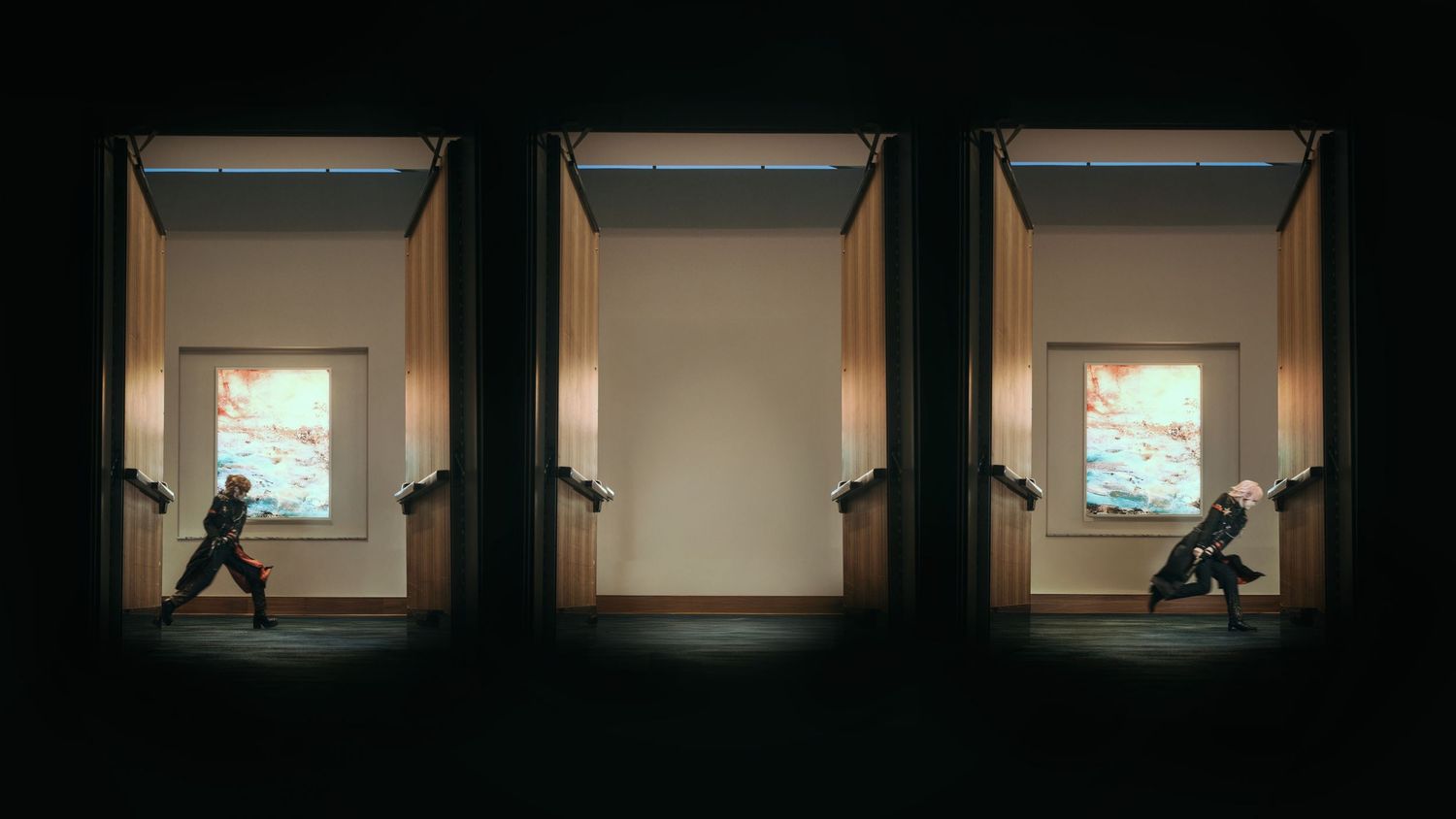
Photography is my main mode of creative output nowadays, followed by cosplay fabrication. If asked, I would certainly consider myself an artist, or at least some bold attempt at an artist - I did go to school for art, after all.
I didn't major in photography, however. I majored in painting and drawing.
I have never taken a formal class in photography, not even as an elective or a degree requirement. It was the cost that put me off on choosing photography. I simply didn't have loads of money to drop on a film camera and all of the developing equipment.
It wasn't until I took on a photography class session as a high school art teacher that I sat down properly to teach myself the technical know-hows of photography, from the process of film development in a darkroom to typical composition grids to the typical portrait lighting patterns. To be a photography teacher, and not be able to convey the knowledge an average working photographer should know, would be highly embarrassing, to say the least.
As established in my last blog post, I have been photographing cosplayers since 2016. Throughout all four years of my undergrad career, I was snapping photos left and right and editing them based on pure vibes and a base motivation to capture what I thought was beauty. I was one of those hobby beginner photographers who shot primarily with a 50mm f/1.8 because some Youtube video said "creamy bokeh pretty," never mind if the rest of the body (or bodies) was a little fuzzy or off-focus. My style of color grading and composition around 2016-2021 was also dramatically different than my style today, though some vestiges of the past do appear from time to time. (See below.)
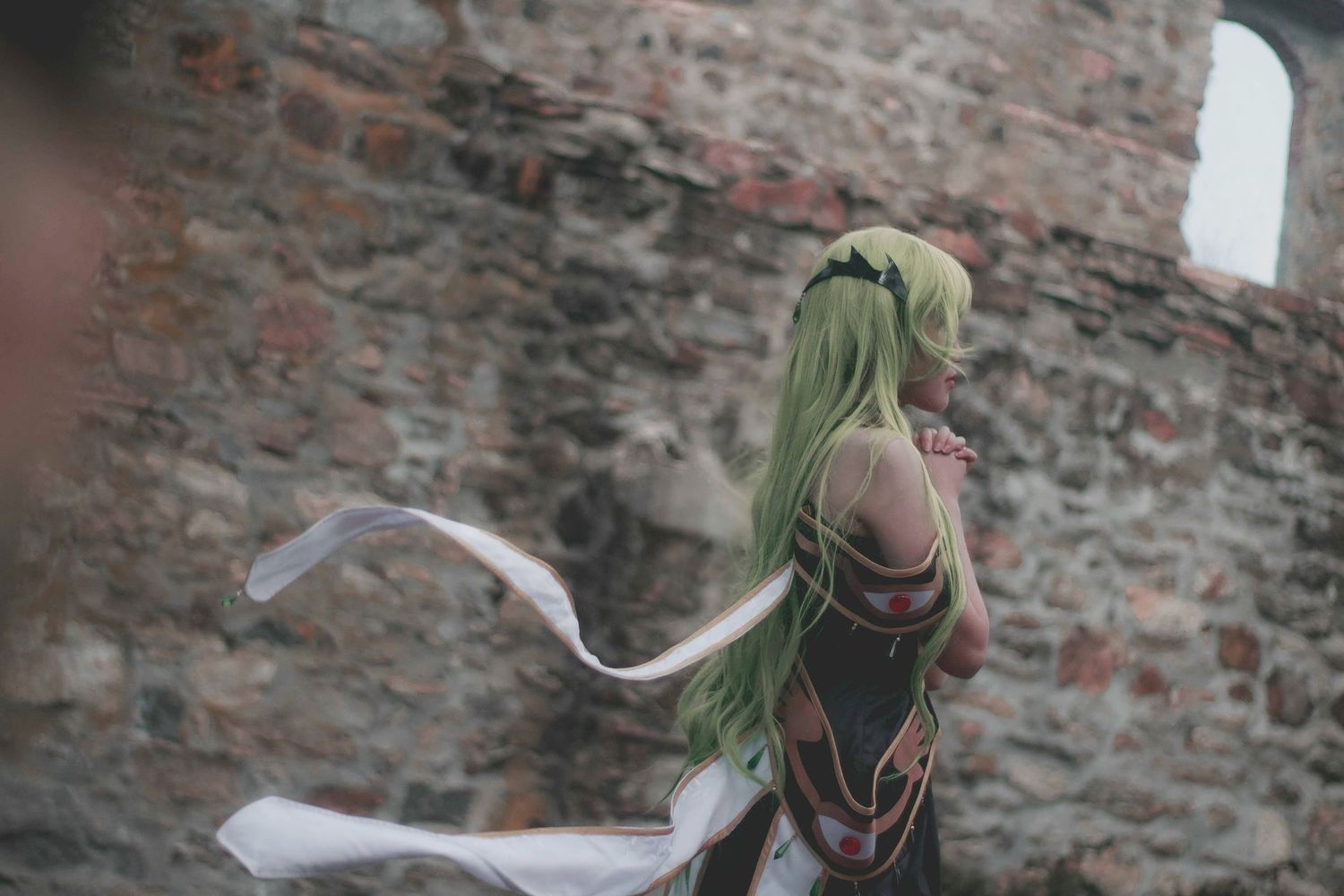
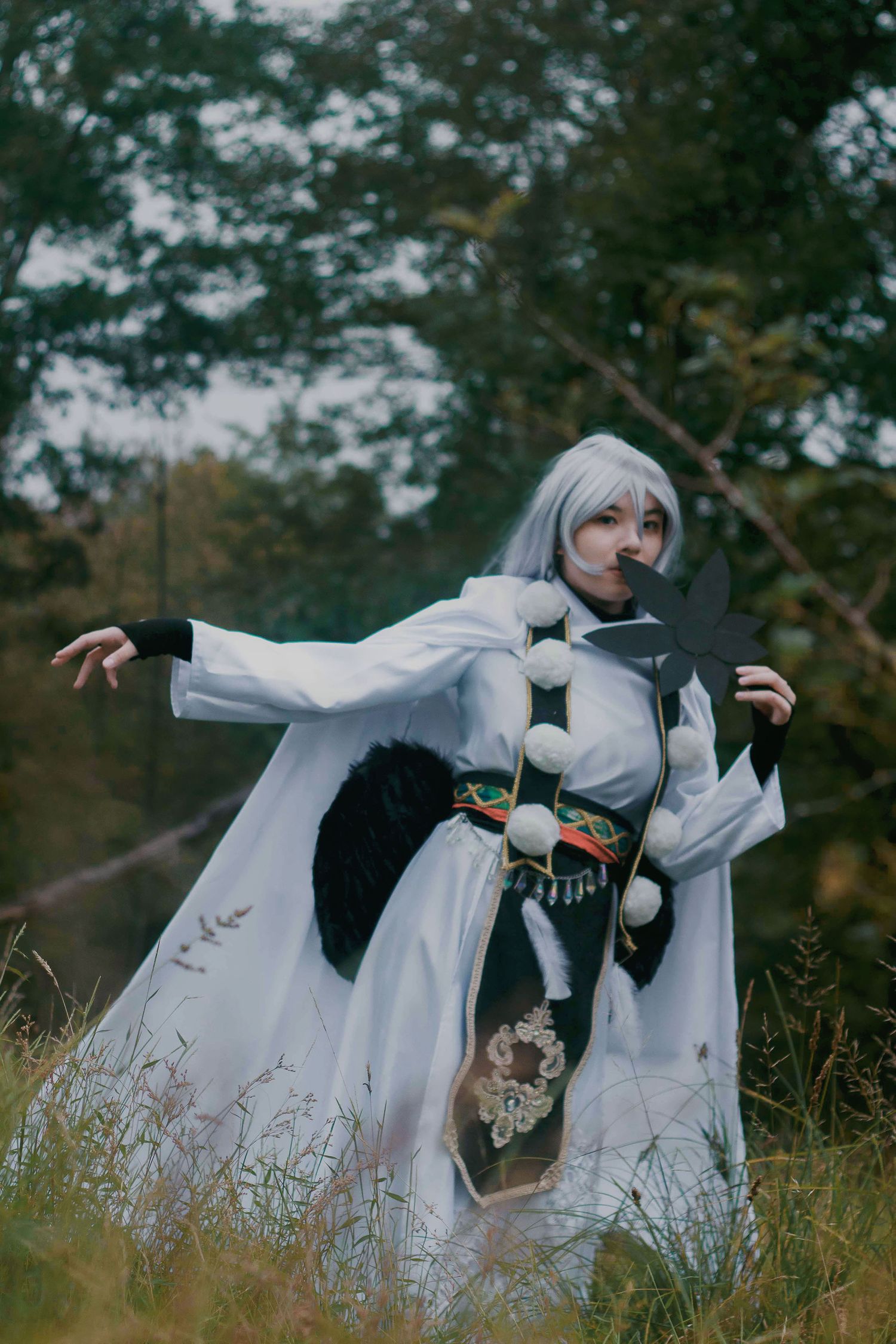
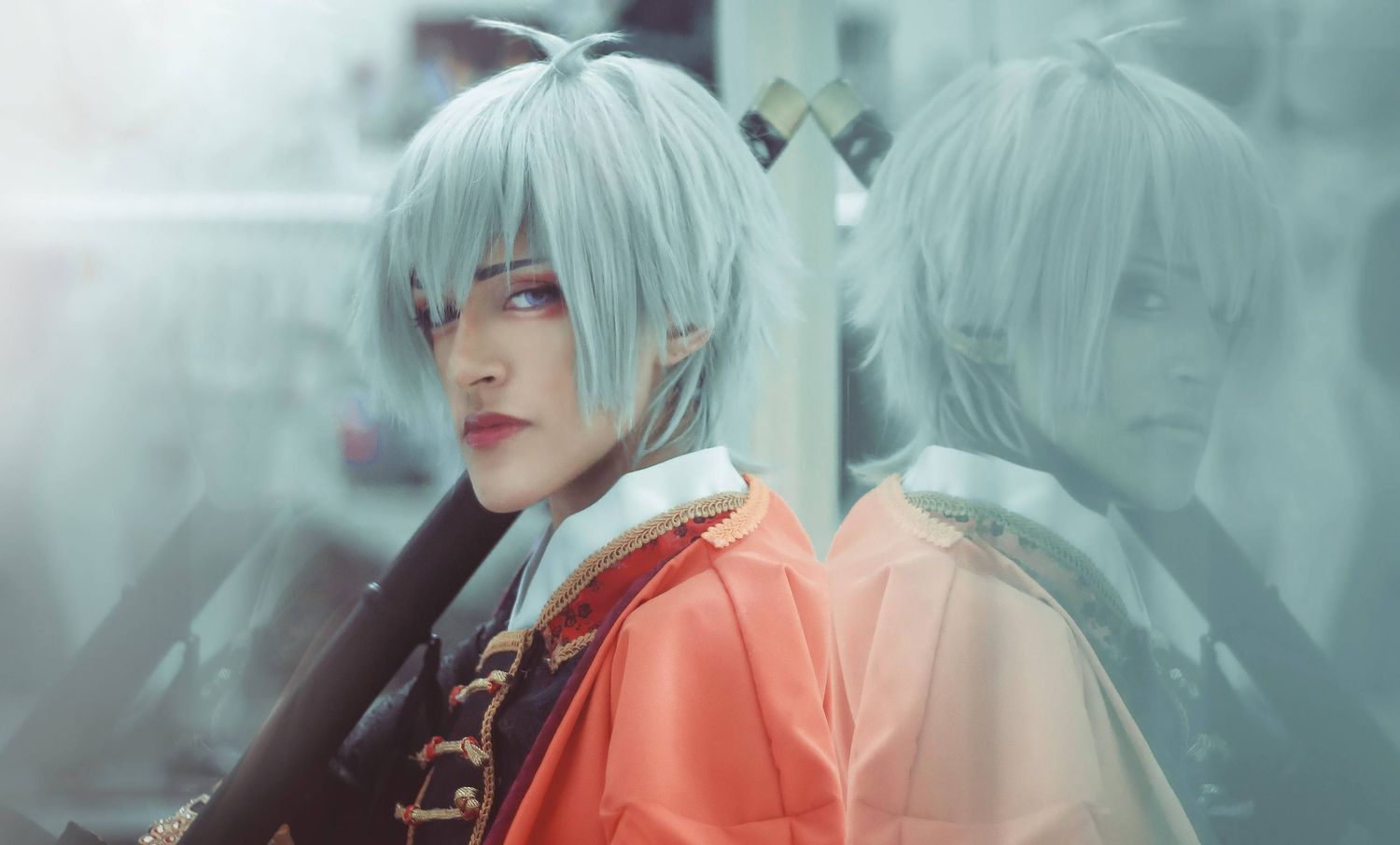
I pinpoint my aesthetic and color choices of that time on mostly desiring to imitate the photographers I liked and worked with before. Imitation, after all, is the highest form of flattery; nothing ever happens in a vacuum. But there's also an underlying thread here: the fact that I was originally a painter and a drawer, and a forced-to-be jack-of-all-trades guy in multiple disciplines of art EXCEPT photography. Therefore my aesthetic choices were not only informed by what I saw online, but what I also learned, breathed, and produced for 4 years that was in no way, shape or form from a camera.
The more I matured into the role of a photographer, the more I began to draw connections between how I'd select colors and paint in undergrad and how I'd approach color-grading and retouching for a session. Not to mention the artists I felt drawn to, from both contemporary and historical sources, that served as inspiration for compositions and colors.
Most importantly, what art school taught me was when to personally recognize when A Thing (audio, visual, whatever--) evokes an aesthetic response within. Aesthetic - not always in the context of when something is beautiful and good, but also when it is sublime and dreadful, or when it is grotesque and hard to look at, or when it is suspended between still and moving states.
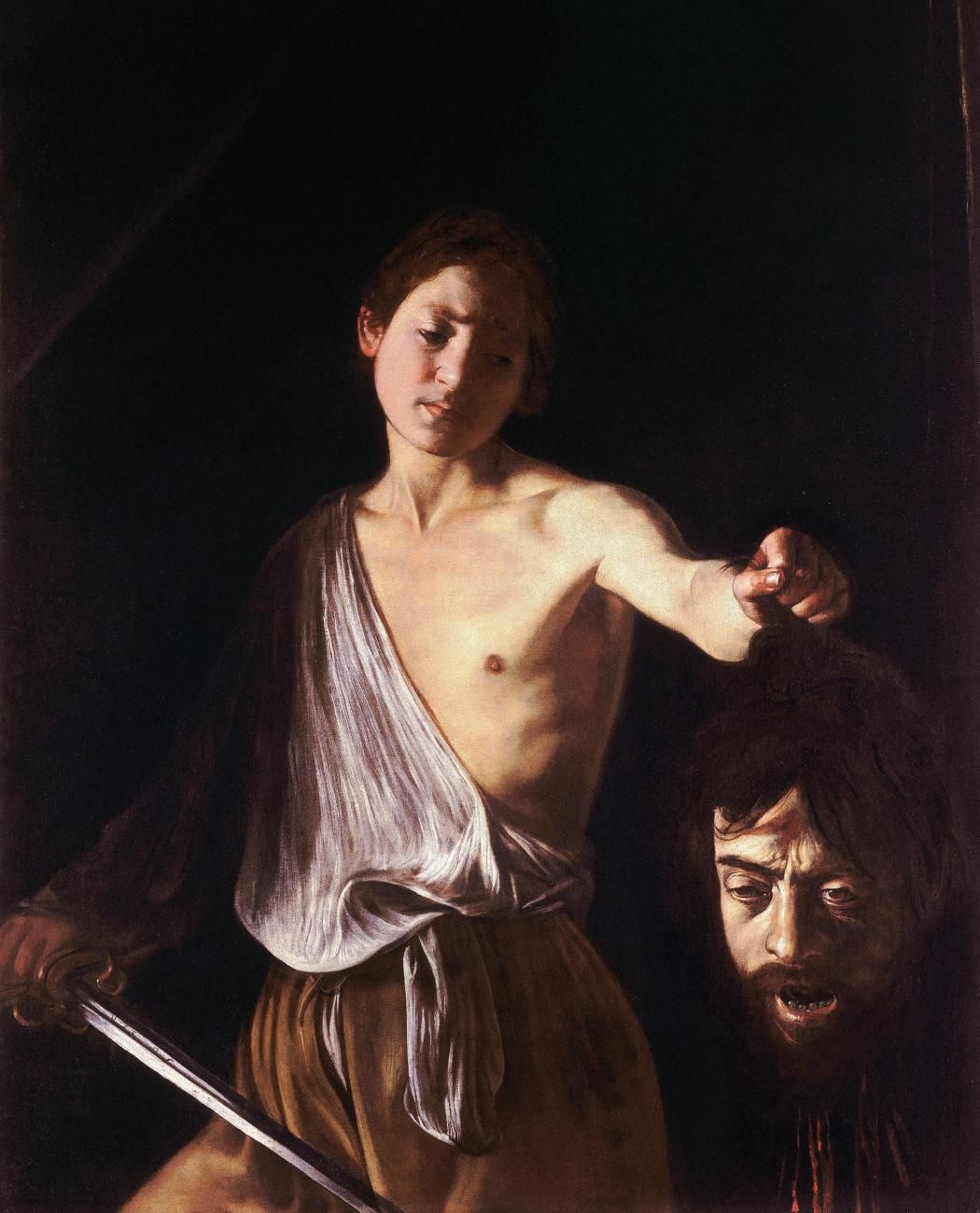
I adore Caravaggio the painter. I have loved his work since I was 17. He's known for his use of "chiaroscuro," best described as high-contrast, low-key light. I also admire how many of his paintings, such as this one, capture both stillness and motion at the same time. Later I found out that his work was a great inspiration for the Film Noir movement, which honestly checks out.
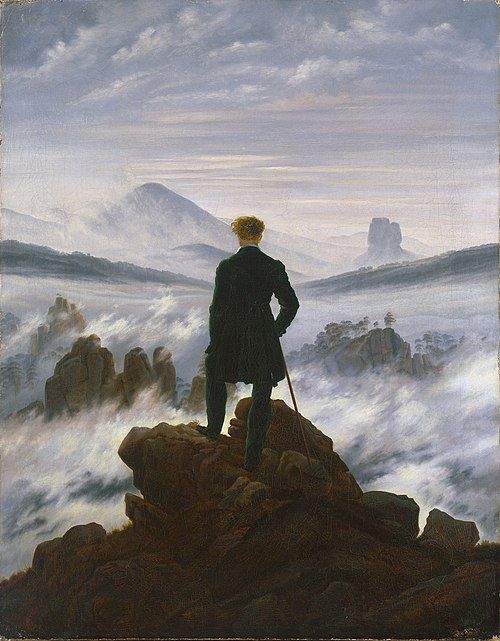
On the opposite spectrum of low-key - I also enjoy German Romanticism. This famous piece, from Caspar David Friedrich, was presented to me in undergrad as one of the prime examples of a painting that evokes the sublime - and I agree wholeheartedly. The breathtaking and massive landscape that engulfs the lone figure, proving to us that nature is powerful compared to us mortals? Yes.
Despite being formally trained to see the world as as a painter, and an artist who answers to no one, I have chosen to be a working, paid cosplay photographer, who answers to many. Resultantly, I have to be rather flexible when it comes to the demands and needs of a client, despite being aware of my inner impulse to be an artist.
It's kind of like the difference between a graphic designer and an artist. A graphic designer must design for a client. An artist is free to choose their vision to give to an artist. That's not to say that a graphic designer CAN'T have any creative freedom and leeway over their deliverables - but that freedom in itself is more often than not restrained by the demands of the client. The biggest overlap between the two professions, I think, is that they are both forced to ideate constantly, problem-solve and troubleshoot.
The same can be said for comparison between a photographer and an artist, though I'd argue that there are photographers out there who are more like graphic designers, photographers who are more like artists, and photographers who are mix of both. (Actually, there's a whole discussion to be had here regarding the overlap and difference between all these disciplines, but I'm not going to go into it for the sake of time.)
Gracefully, some clients are alright with me imposing my ideas / vision onto them. Some clients' needs, however are different than what I might typically want to do - you could say that there's a mismatch between what the clients desire as a design product and what I like to personally deliver as an artist. I'm not usually unopposed to taking on the challenge though. That's because I think being an art major in painting and forced jack-of-all-trades has moulded me into someone who is often forced to seek out and think beyond what my working title demands of me. Essentially, "make it work," as Tim Gunn from Project Runway would say.
In these cases of when the client's desires doesn't line up with my aesthetic sensibilities or my interests, I often have to triage internally before, during, and after the session.
- "How do I resolve the difference between what the client wants and what I want?"
- "How do I put myself into what is ultimately not mine?"
- "How do I make it work?"
I've found that the questions to these answers are often located within the knowledge that I have accumulated, the exposure to multiple disciplines and artists, and practice I've gotten over these past couple of years. I could have not gotten these answers, honestly, if I wasn't thrown into the ring first by art school, and then didn't come back to the ring constantly even after my art school days concluded.
To wrap up this post, sometimes I'm asked (by students, by other cosplayers and other individuals who want to get started) how did I get to where I was today. Not all of them can go to art school, obviously. Some of them went to school for other things. Some of them can't afford it. Most of them, if not all, think it has something to do with the gear I've accumulated. Practice is a tired word too.
I often don't know how to answer this question concisely. So I'll put it in a list instead: things I learned and practiced in art school that have served me to the point where I'm at now.
- Think and find about the things that give you an aesthetic response, and be aware of when they give you an aesthetic response. I like artists and music videos. You might like 80s anime aesthetics or 90s sitcoms. Or woodcuts, idk.
- Imitate those things that give you an aesthetic response, and try to contextualize those things to fit your interests. Nothing happens in a vacuum.
- Start making a lot, and then filtering out the things you like, the things you can make work, and the things you don't like. I sure did "spray and pray" a lot when I started taking photos, to only come out with 10 I liked from 500 raw files - it's similar to drawing incomplete sketches in a sketchbook, then figuring out what sketches you made that you can turn into something bigger.
- You will probably not like everything you make. Try to make it work anyways as best as you can.
- Literally, just throw yourself into the ring.
See you all next time for the next blog?